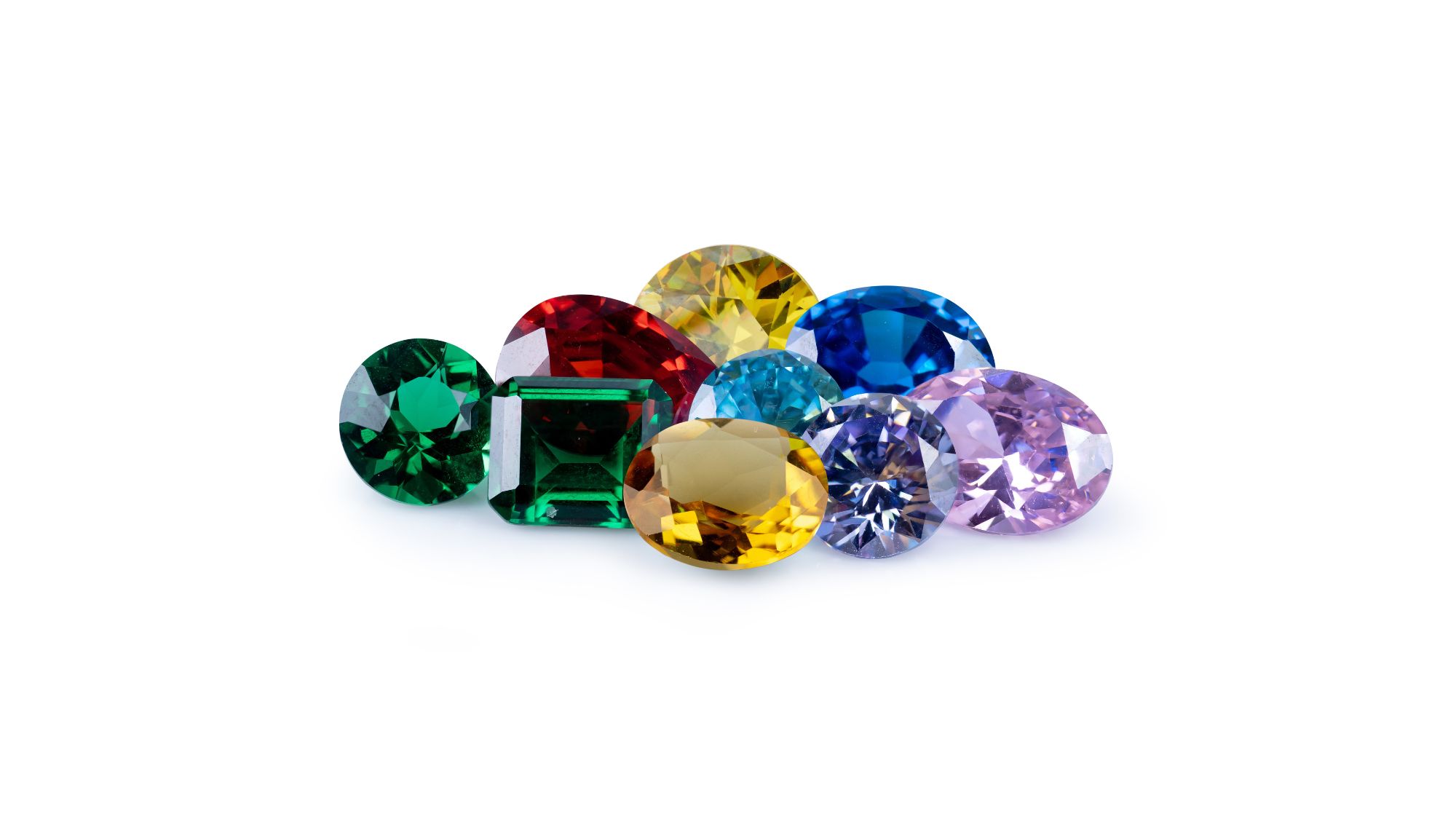
For generations, the diamond has sat unchallenged at the top of the jewellery hierarchy. But a quiet conversation has been gaining momentum: some of the world’s most visually stunning gemstones are rarer. And look more expensive, too.
Scarcity alone doesn’t make a stone desirable. But when a limited geographic origin combines with saturated colour, extraordinary light performance, and a compelling history, the result is something that can outshine a diamond in every sense. “People assume diamonds are the pinnacle of rarity,” says Blake Asaad, Founder and Creative Director of Goodstone, a leading provider of exquisitely crafted diamond jewellery. “But some of the most extraordinary stones on earth are ones most buyers have never considered. Here are six gemstones that go beyond diamonds in rarity and visual luxury, As well as what gives each one its high-end appeal.” www.goodstoneinc.com
Tanzanite
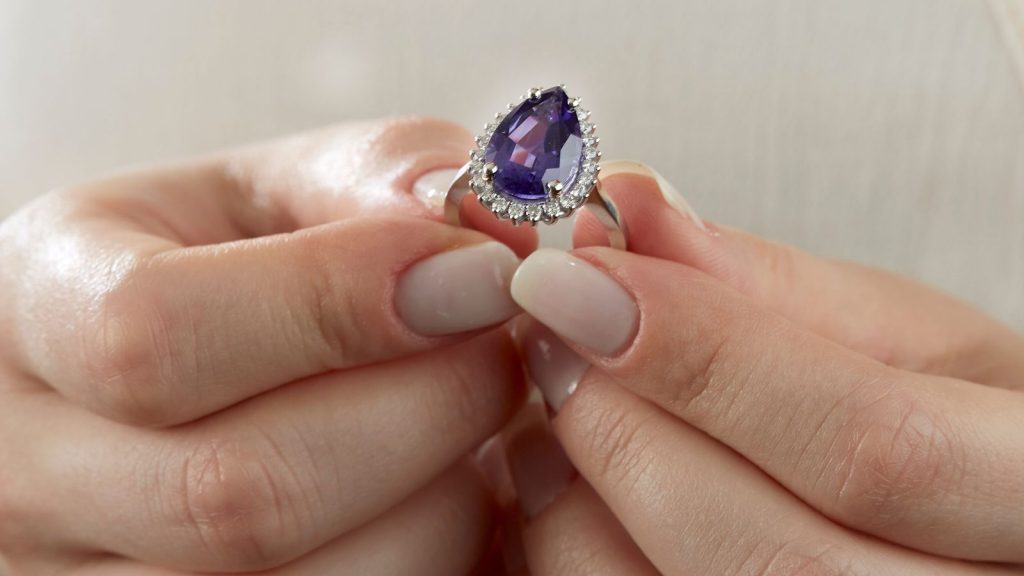
Found in a stretch of land near Mount Kilimanjaro, tanzanite is estimated to be around 1,000 times rarer than diamond. Its deep violet-blue colour gives it a visual weight that rivals even the finest sapphire. The stone also shifts between blue, violet, and greenish tones depending on the angle of light. “What makes tanzanite so compelling is its geographic exclusivity,” says Blake. “There is literally one place on earth where it exists. That kind of scarcity feels real, and buyers are increasingly attuned to that.”
Alexandrite
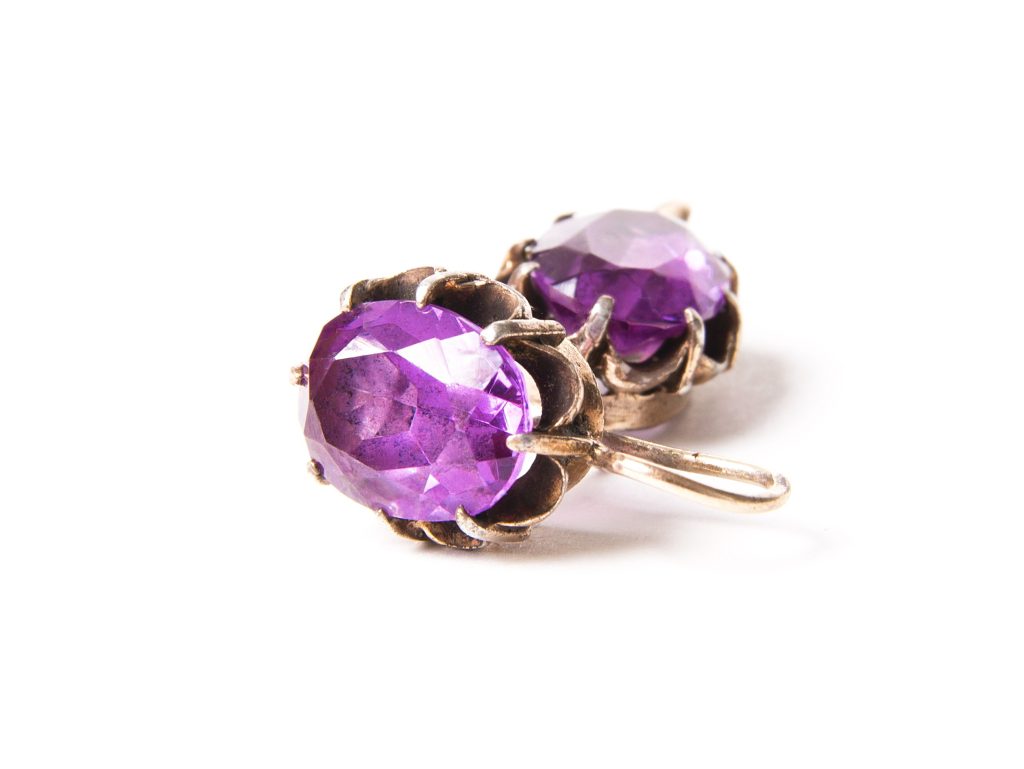
Discovered in Russia in 1830, alexandrite appears emerald green in daylight and changes to ruby red under incandescent light. It’s a phenomenon so dramatic it earned the nickname “emerald by day, ruby by night.” Natural specimens of high quality are among the rarest gemstones in the world. “The colour change isn’t subtle,” says Blake. “It’s an extraordinary optical event, and the fact that fine natural specimens are exceptionally scarce only adds to the appeal.”
Paraíba Tourmaline
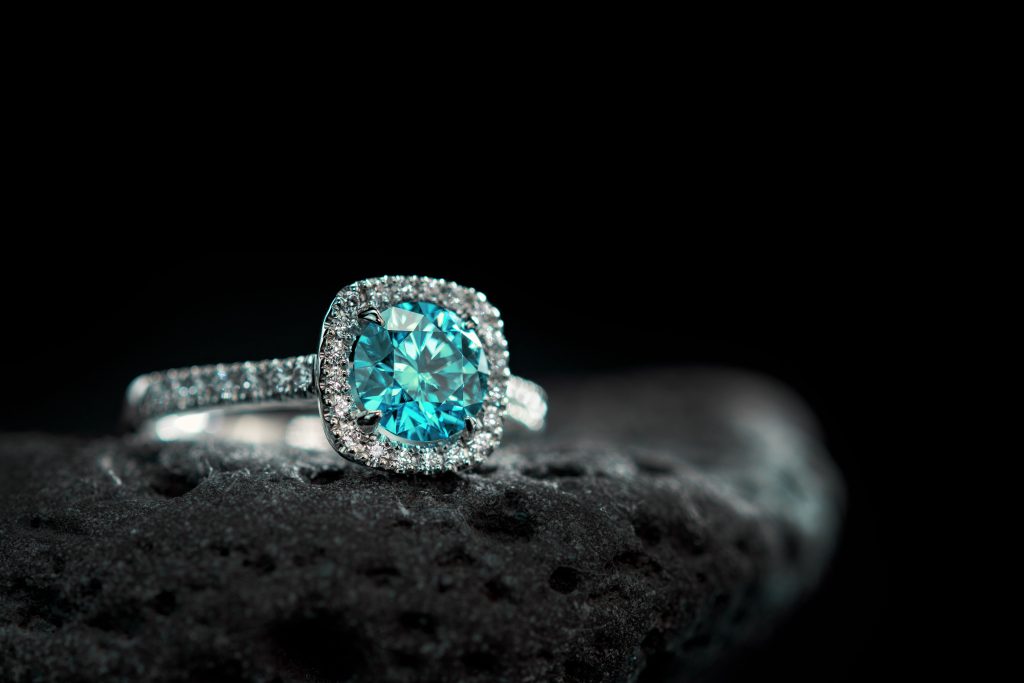
When Paraíba tourmaline was discovered in Brazil, it caused a stir for one simple reason: nobody had seen a blue quite like it. Powered by trace amounts of copper, its neon blue-green hue appears to glow from within. Despite additional deposits being found in Mozambique and Nigeria, global production remains extremely limited. “The saturation is unlike anything else in the gem world. It reads as extraordinarily luxurious because it simply doesn’t look like anything else.”
Kashmir Sapphire
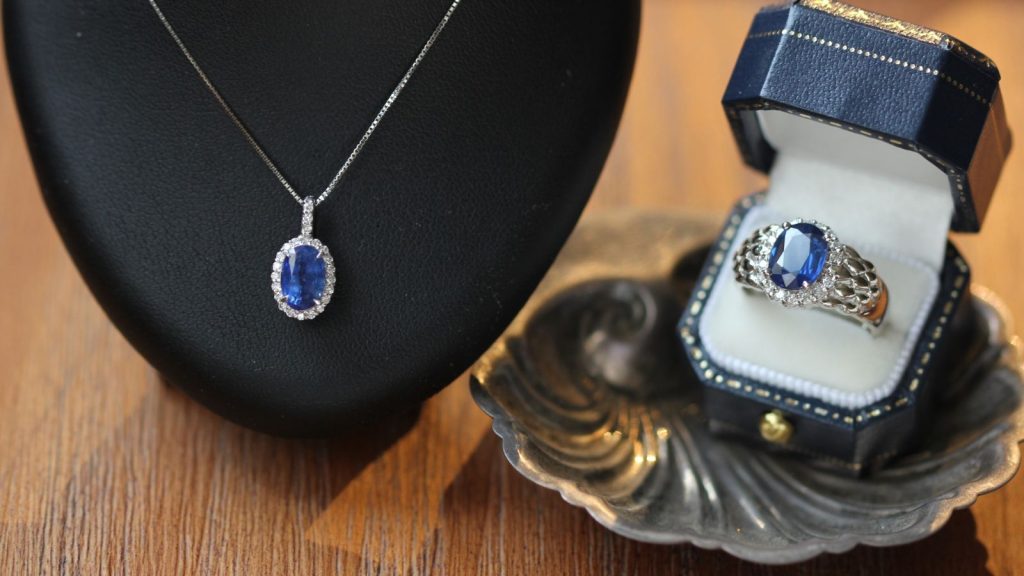
Mined high in the Himalayas during a brief window in the late 19th and early 20th centuries, Kashmir sapphire deposits ran dry in the 1930s. Every specimen in existence today is irreplaceable. Their colour, a soft, velvety cornflower blue with a luminous inner glow, is the benchmark against which all other sapphires are measured. “Their scarcity is absolute. The mines are gone – what exists is what exists, and auction prices reflect that very clearly.”
Burma Ruby
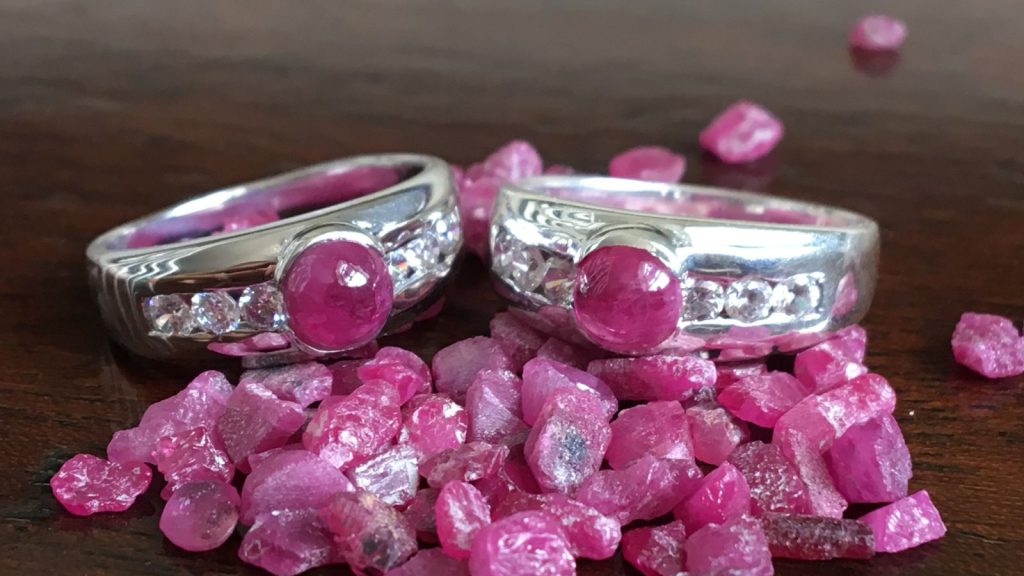
Myanmar’s unique geological conditions produce rubies with a vivid, almost fluorescent red that gemologists describe as “pigeon blood”, pure, saturated, and internally luminous. At major auction houses, exceptional Burma rubies have consistently achieved record per-carat prices. “The red has an intensity that photographs struggle to capture. It’s a stone that genuinely competes with anything the gem world has to offer.”
Jadeite
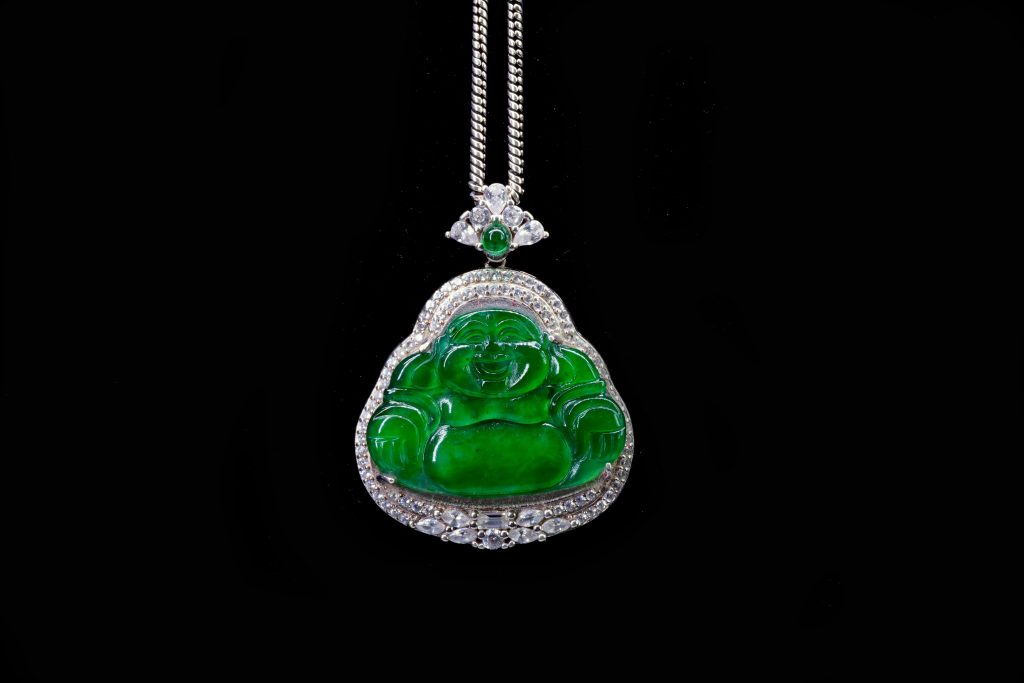
Imperial-grade jadeite, with its intense green and high translucency, has been among the world’s most prized stones for thousands of years. There’s a Chinese saying that captures its status perfectly: gold has value, but jade is invaluable. “Top-quality imperial jade has a depth and presence that is genuinely hard to describe. The way the best material seems to hold light inside it is unlike anything else.”