As a major new exhibition, The Last Princesses of Punjab, opens at Kensington Palace, we spoke to the exhibition’s curator, Polly Putnam, to discover more about Sophia Duleep Singh – the Princess, socialite and suffragette icon, who continues to fascinate and inspire us 150 years after her birth.
Marking the 150th birthday of exiled Punjabi Princess Sophia Duleep Singh, this must-see exhibition at Kensington Place — the childhood home of Sophia’s Godmother, Queen Victoria — offers an intimate look at Sophia and the remarkable women who influenced her: her sisters, Catherine and Bamba; her mother, Bamba Muller; and her grandmother, Jind Kaur, the defiant Maharani of the Sikh Empire.
Visitors follow the extraordinary tale of a family whose lives the Empire profoundly altered, yet who also became powerful agents for change in their own right. “Extraordinary women tell a story of courage, identity, and resistance,” says Putnam. “Presenting it within Kensington Palace gives us a rare opportunity to reflect on their intertwined histories and present objects that speak of both a global story and the personal stories of these women.”
Complex beginnings
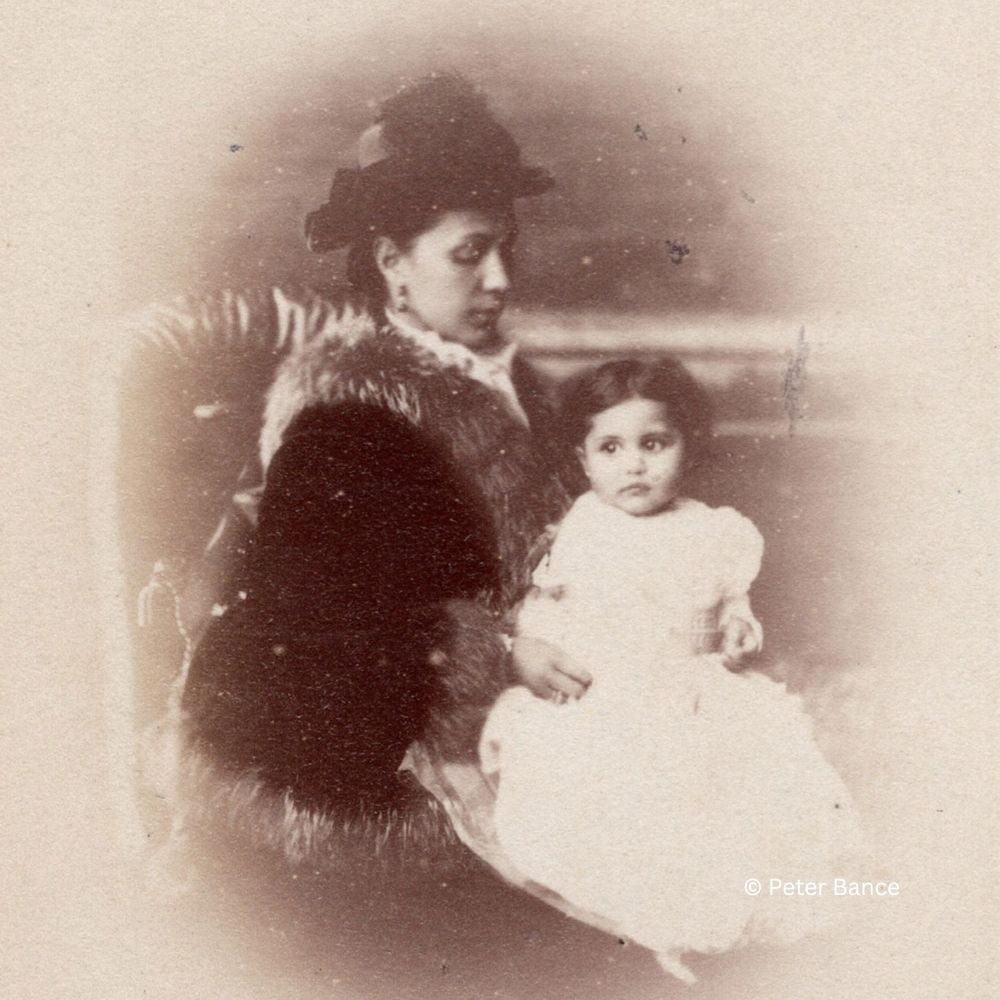
Sophia was the daughter of Duleep Singh — the last Sikh Maharajah of the Punjab, whom the East India Company forced to surrender his lands in 1849. From there, he travelled to England, where he struck up a close friendship with Queen Victoria.
Sophia’s mother, Bamba Muller, was the daughter of a German banker and an enslaved Ethiopian woman. But while her mother grew up in poverty, Princess Sophia lived in luxury as an aristocrat at Elveden Hall in Suffolk. Her parents had remodelled the estate to resemble an Indian Mughal Palace.
Items from this residence — including an ornately painted Indian rocking horse and an Ottoman-style outfit Sophia wears in family photographs — illustrate the family’s rich but complex heritage.
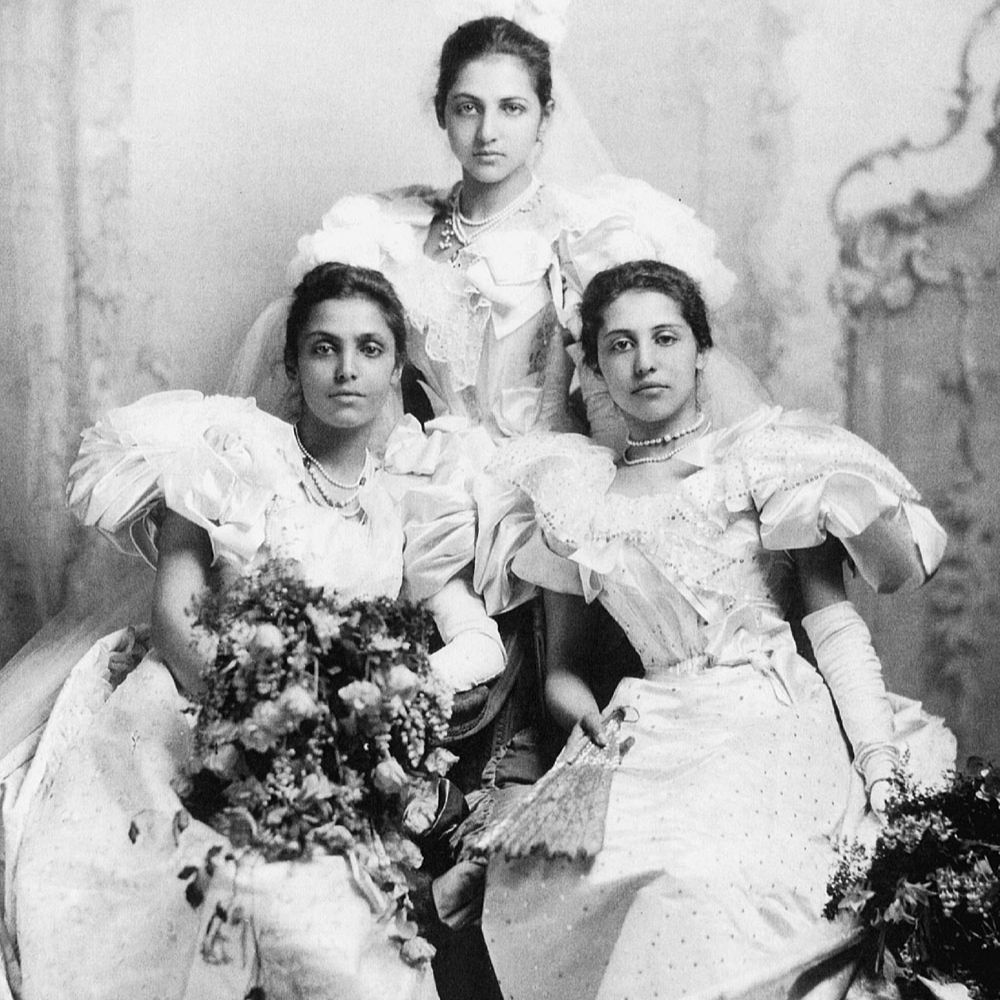
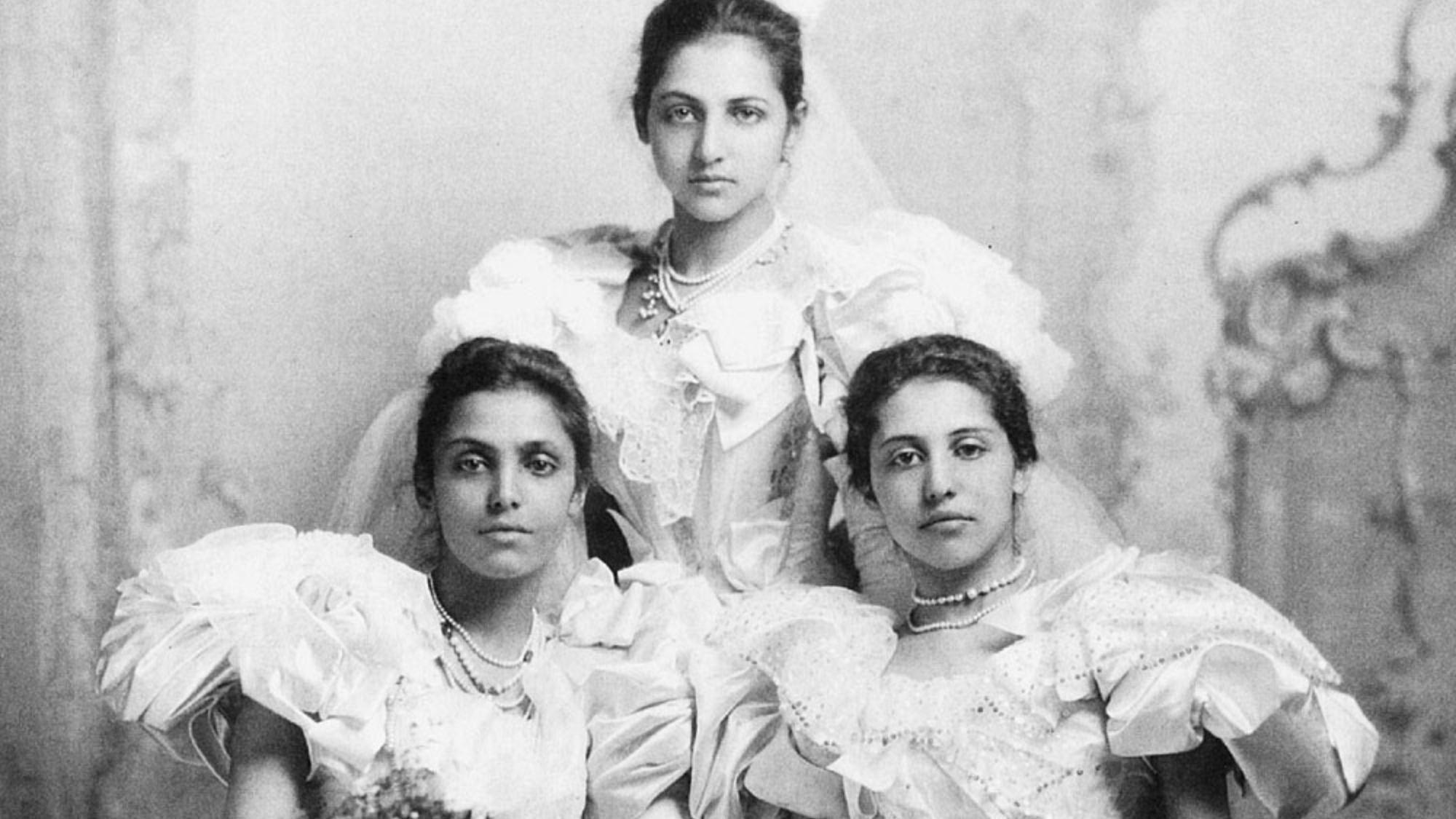
A photograph of Sophia and her sisters, dressed as debutantes for their debut to society, also highlights the collection. “Princess Sophia was a noted society beauty and often appeared as one of high society’s ‘best dressed’,” says Putnam. “Another little-known fact about her is that she led Britain as one of the top dog breeders and trainers of her time. She especially loved Pomeranians and named her favourite dog, Joe.”
Princess pioneer
Aside from the dogs and dresses, people really celebrate Sophia today as the pioneering suffragette who used her profile to campaign for women’s right to vote. The exhibition presents an impressive collection of fascinating treasures—including personal letters, rarely-seen jewellery, photographs, and suffrage objects—to paint a vivid picture of this princess turned political force.
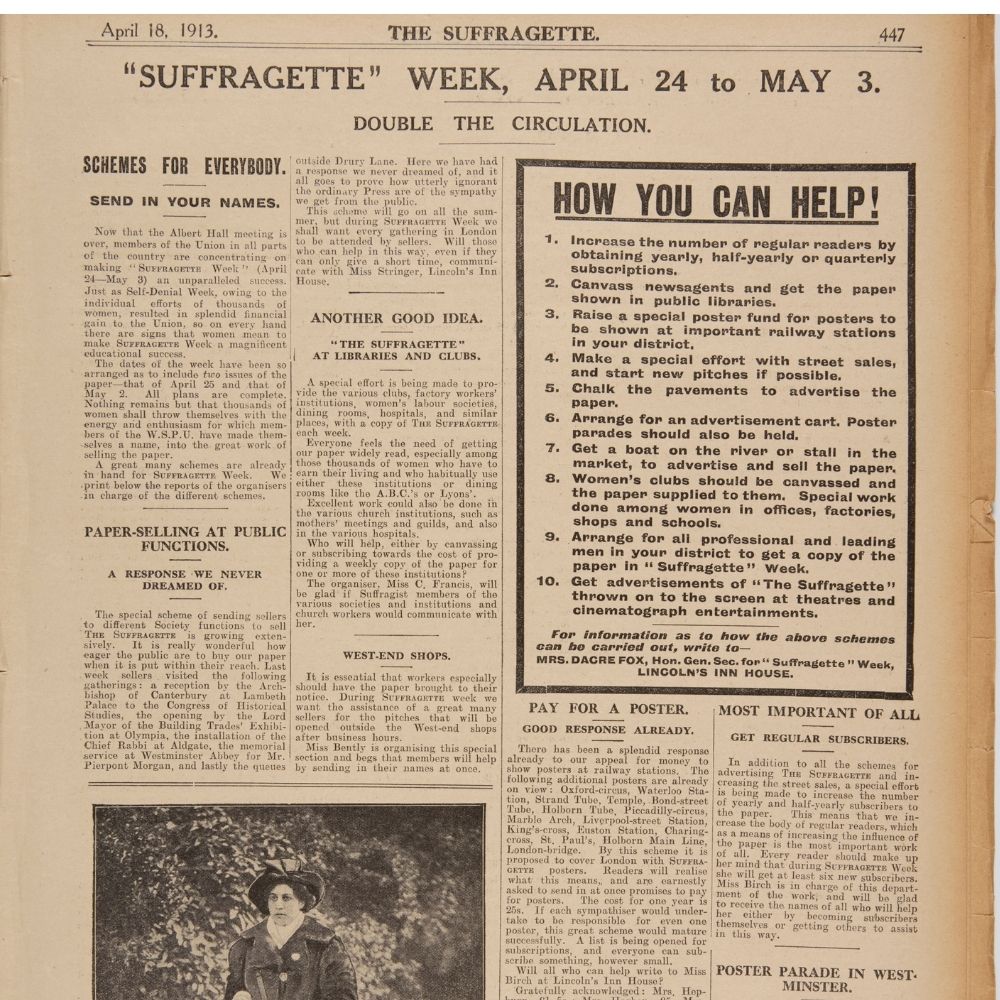
From her home in Hampton Court — where her godmother, Queen Victoria, had granted her residence —Sophia sold copies of The Suffragette newspaper and joined the mass boycott of the 1911 census. She scrawled a message across the form that the government had sent to record every person in the country: “As women do not count, they refuse to be counted. I have a conscientious objection to filling up this form.” The exhibition now displays this document for all to see as a core part of the collection, “No Vote, No Census.”
Lasting legacy
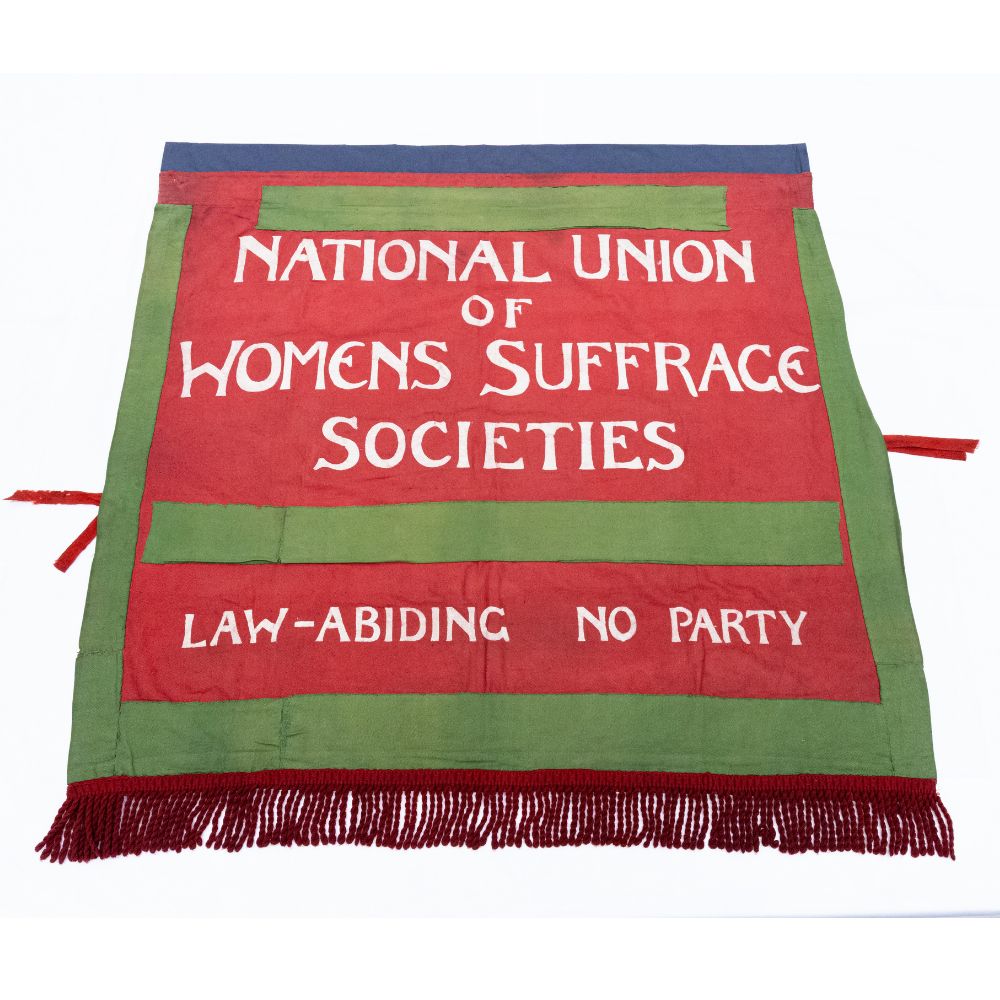
“As a member of the Women’s Tax Resistance League, Sophia was also taken to court three times for refusing to pay taxes,” says Putnam. We’ve displayed a banner with the slogan “No Vote, No Tax” about her role as a suffragette – a slogan that Sophia campaigned under herself.”
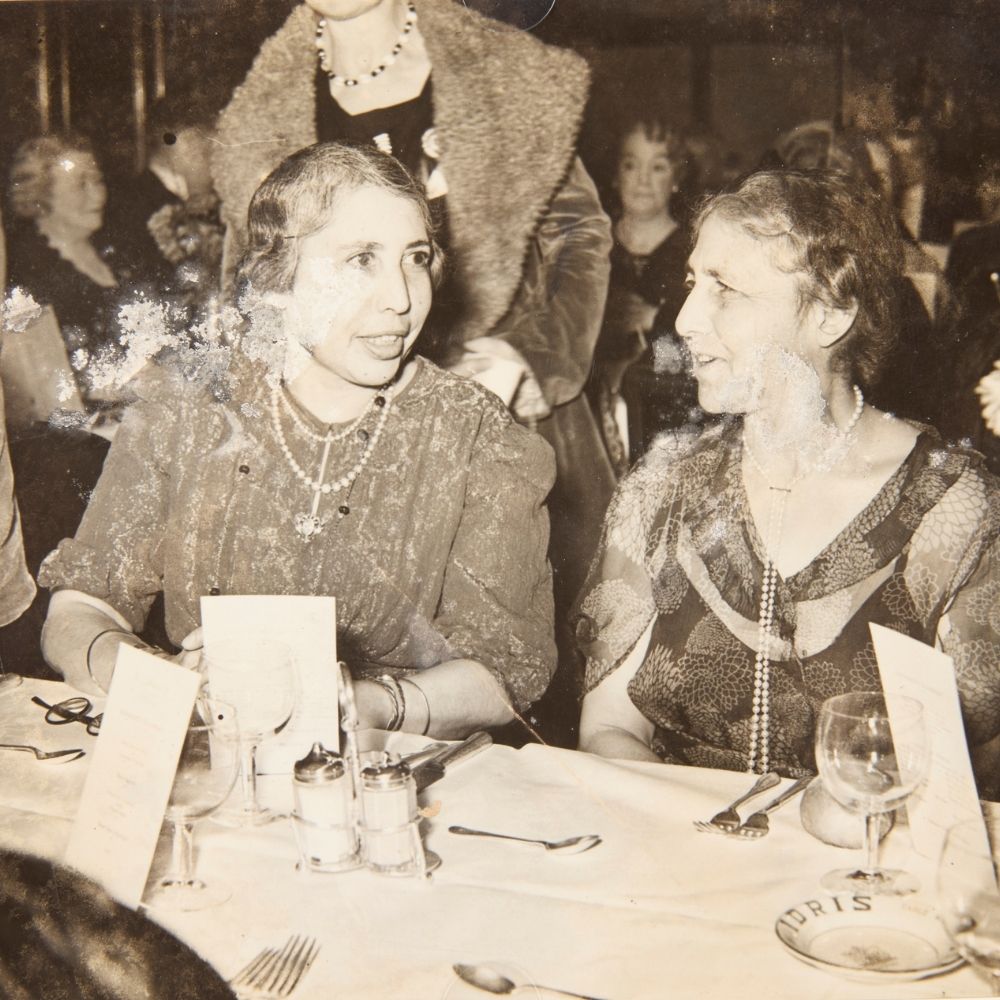
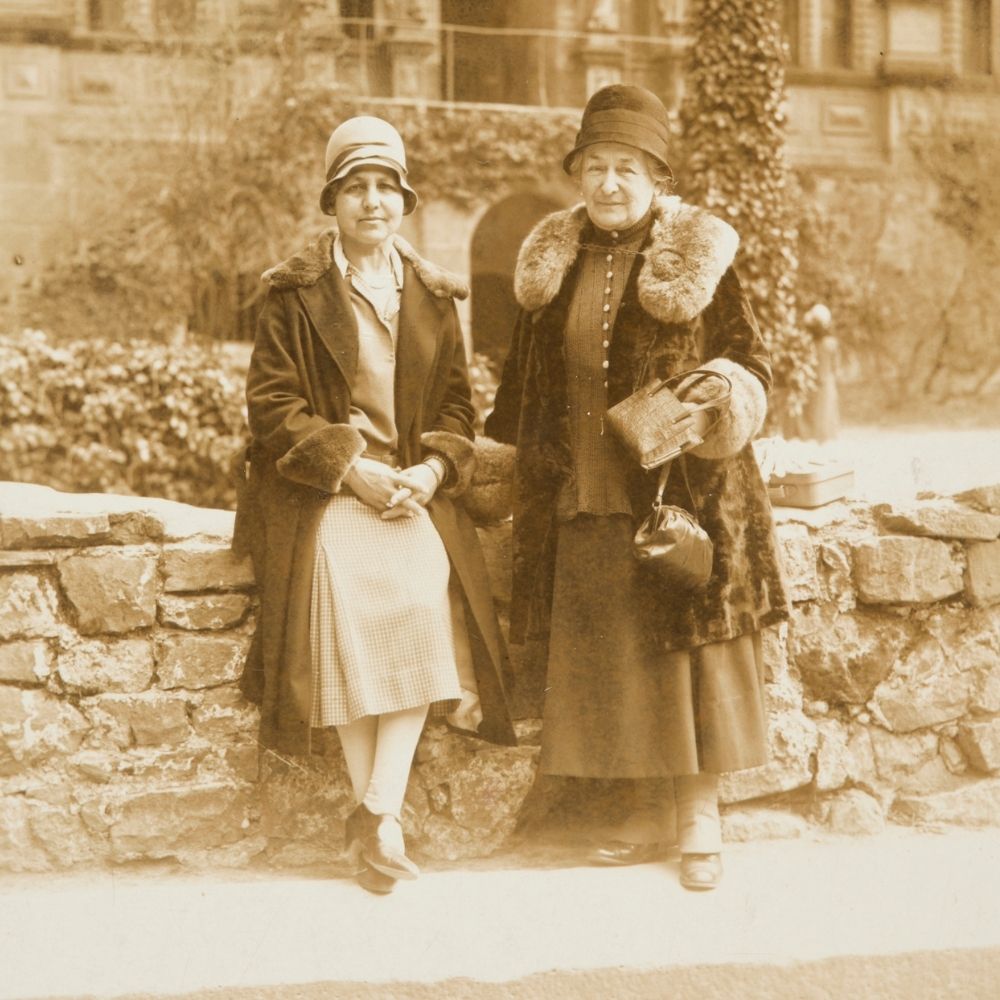
The Princess never quietened; she marched alongside Emmeline Pankhurst at the Black Friday suffragette march. “After the events of Black Friday in 1910, she challengedWinston Churchill himself—then the Home Secretary. She wrote to him to criticise the violent police handling of 300 suffragettes who marched on Parliament, and to support one particular woman whom she saw the police treating badly. She never stopped; she dedicated her entire life to women’s rights. In the exhibition, you will see a photograph of Sophia and her sister, Catherine, attending a Suffrage dinner in 1930, alongside a copy of her Last Will and Probate document detailing her wishes for her estate. Sophia leftmoney in her will for women’s education, demonstrating a lifelong commitment to the cause she first took up as a young woman.”
And for that we remain eternally grateful.
Last Princesses of Punjab is now open to the public is included in the Kensington Palace admission (from £24.70 per adult and £12.40 children). For more information click here.