Want your interior designer to refresh the look of your home? Opt for soft minimalism, which moves away from stark, clinical spaces and towards something more liveable.
When it comes to soft minimalism think a pared-back aesthetic softened by texture, tone, and quiet detail. It’s not about having less for the sake of it, but about choosing pieces with intention. Think natural materials, muted palettes, and finishes that invite touch as much as they please the eye. Gentle contrasts replace sharp lines, and simplicity is layered rather than stripped bare. All creating interiors that feel calm, considered, and effortlessly warm. Here’s how soft minimalism adds its unique charm to rooms throughout the home.
A Softer Take on Bedroom Minimalism
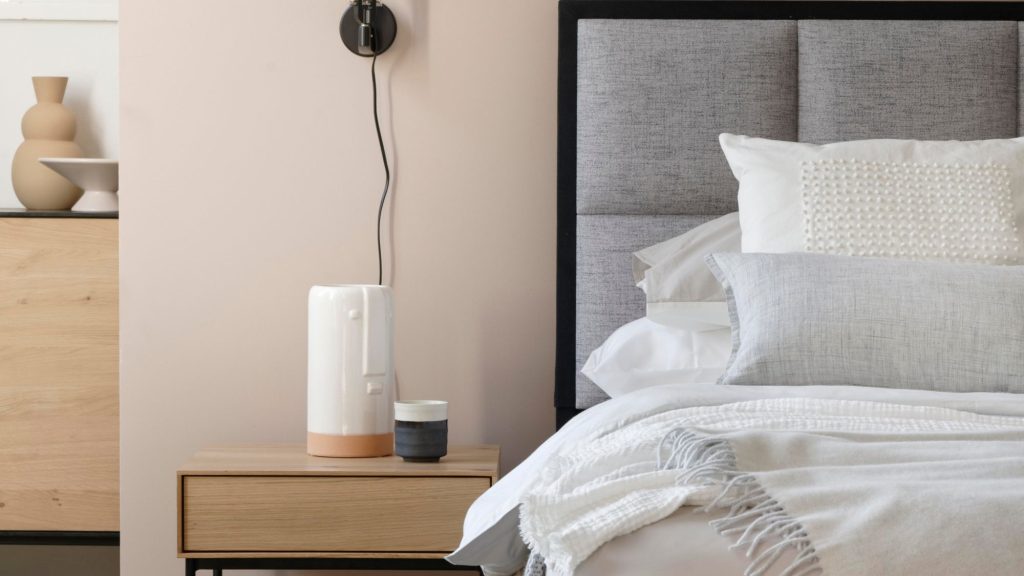
Soft minimalism brings a gentle sense of renewal to the bedroom, a space that benefits perhaps more than any other from quiet restraint. Here, simplicity is not stark but soothing, built through layers of natural texture, muted colour, and considered detail. Upholstered headboards, tactile cushions, and softly draped throws introduce depth without excess, while a palette of warm neutrals creates a cocooning calm. Rather than stripping a room back to its bare essentials, this approach refines it, allowing each element to feel purposeful yet relaxed. The result is a bedroom that feels fresh without being cold, minimal without feeling empty; a place where design recedes just enough to let comfort take the lead.
Open Plan Spaces
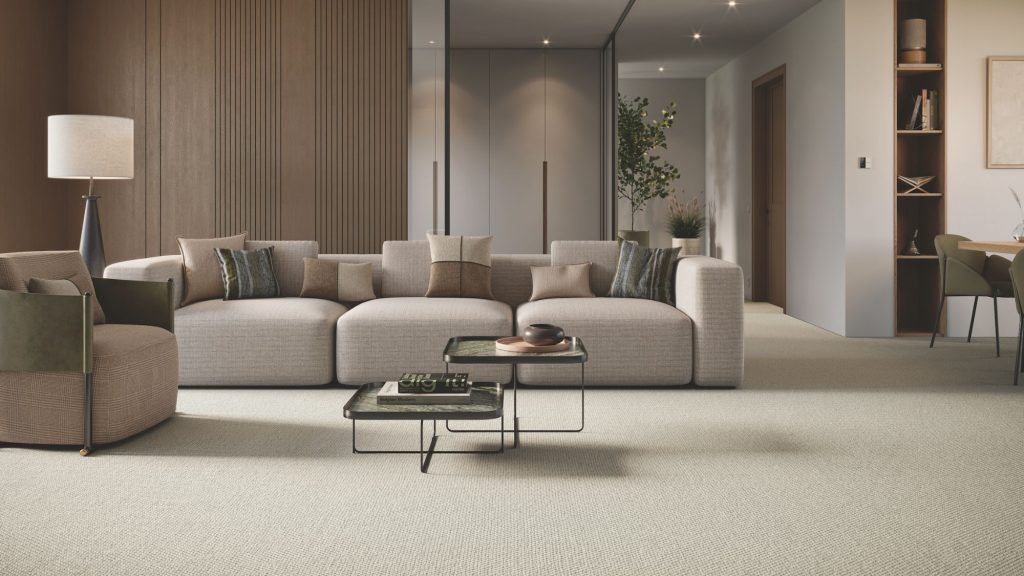
In open-plan spaces, where boundaries blur and light moves freely, soft minimalism offers a sense of quiet structure. Rather than relying on walls, it uses texture, tone, and material to gently define each area; a subtle change in palette, or the introduction of layered textiles to anchor a space. The effect is seamless yet intentional, allowing living, dining, and working areas to flow while still feeling distinct. It’s a way of bringing clarity without rigidity, creating interiors that feel expansive, but never exposed, balanced by warmth, softness, and a considered sense of calm.
The Warmth of Wood
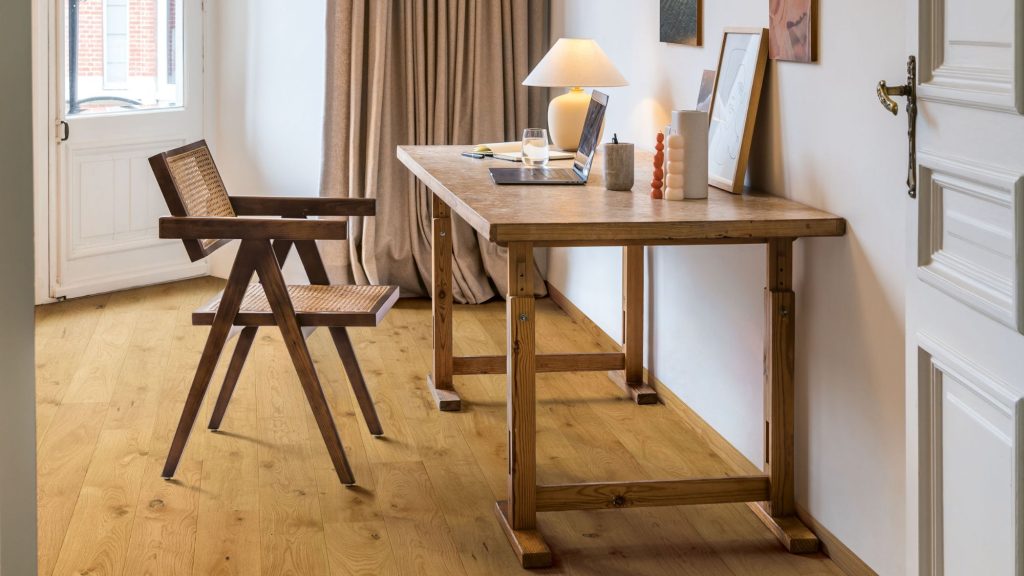
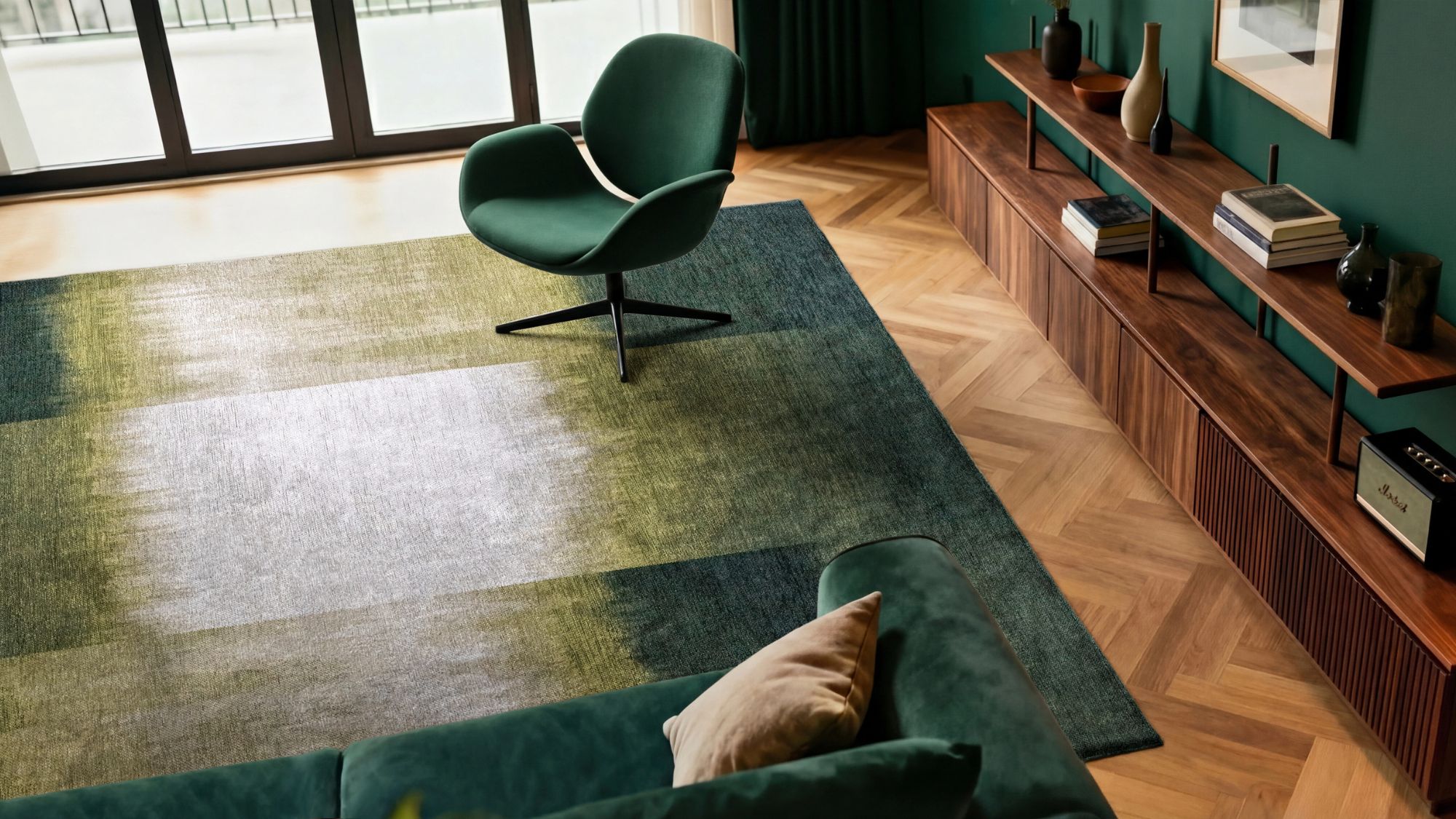
Hardwood flooring brings an immediate sense of ease to soft, minimal interiors, grounding a space with its natural warmth and gentle tonal variation. In settings like this, where pared-back furniture and quiet detailing take precedence, the floor becomes more than a backdrop; it introduces subtle movement through grain and texture, softening the scheme’s simplicity. An extra matt finish enhances this effect, absorbing light rather than reflecting it, and allowing the material to feel calm and tactile underfoot. Paired with natural wood furniture and a restrained palette, it creates a space that feels both considered and comfortably lived-in, a refined simplicity that never feels stark.
Beyond Neutrals
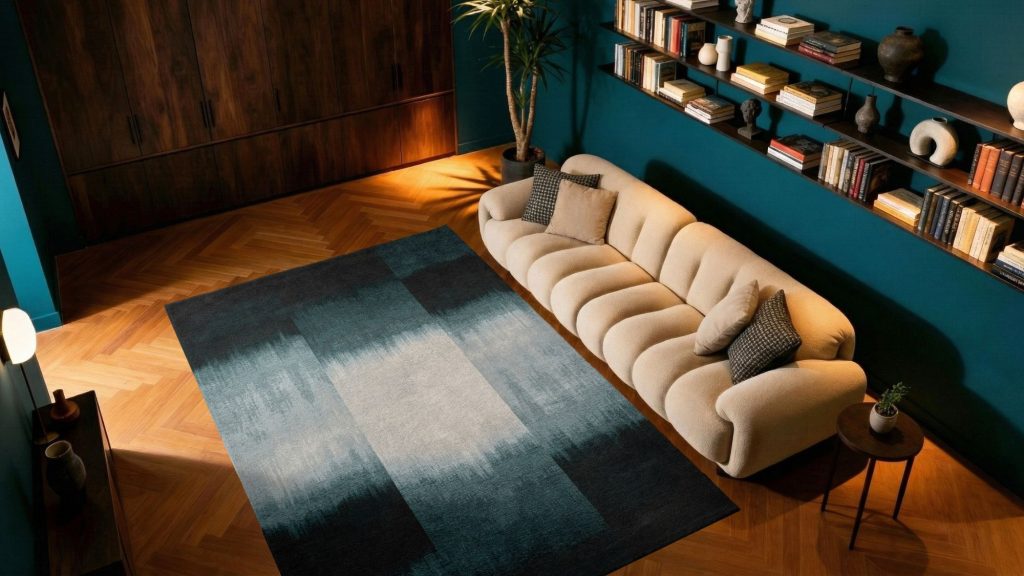
Soft minimalism is often associated with pale neutrals, but its essence lies less in colour and more in restraint and balance. Deeper tones, moss greens, inky blues, and muted clays can sit just as comfortably within this aesthetic when handled with the same lightness of touch. Rather than overwhelming a space, they add quiet depth, grounding the room while still allowing it to feel calm and cohesive. The key is in the layering: softened edges, tonal variation, and tactile finishes that diffuse intensity and invite warmth. In this way, soft minimalism becomes less about what is left out and more about how thoughtfully each element, whether light or dark, is allowed to exist.
Silk-Toned, Stone-Effect Flooring
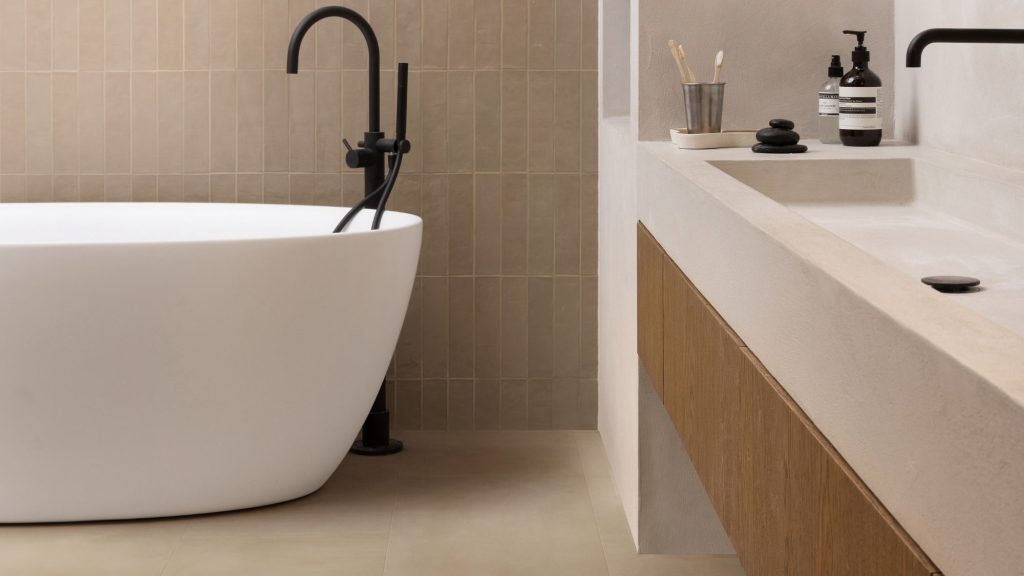
Silk-toned, stone-effect flooring offers a quietly refined foundation for soft, minimal interiors, with a matt, almost velvety finish that diffuses light rather than reflecting it. This subtle softness underfoot mirrors the aesthetic’s broader principles: nothing harsh, nothing overly polished, just a gentle interplay of texture and tone. In spaces like bathrooms, where surfaces can often feel cold or clinical, these muted finishes introduce warmth and tactility, working seamlessly alongside natural wood, brushed metals, and pared-back forms. The result is a space that feels grounded yet elevated, where even the hardest materials take on a softer, more considered presence. www.selectfirst.com