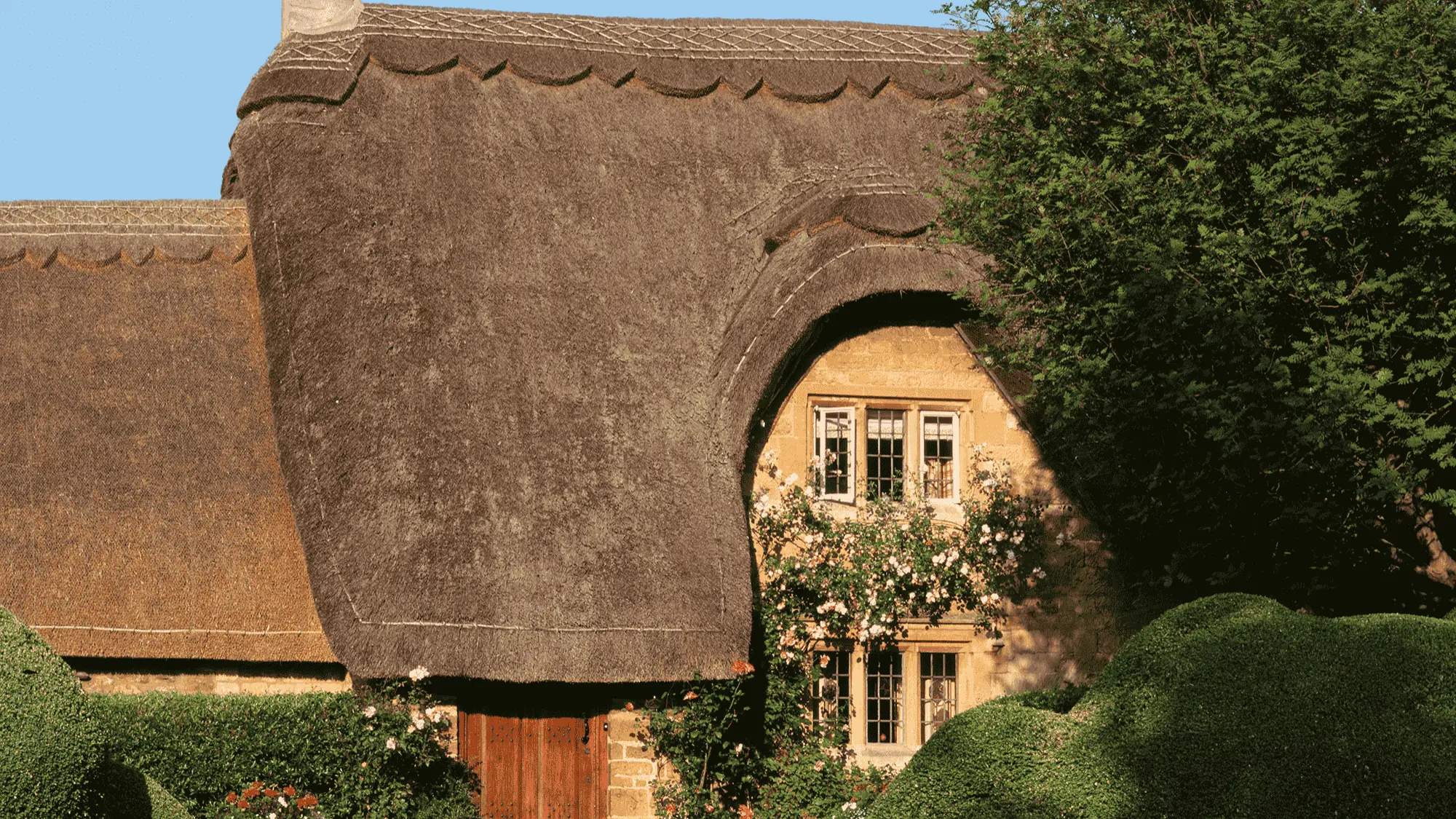
In acquiring a listed building you’re not just buying bricks and mortar — you’re curating a legacy, one that blends timeless allure with your personal narrative. With these informed steps from Heritage Unlimited’s Paul Clarke, the journey is as enriching as the destination. www.heritageunlimited.co.uk
Decoding the listed status
“What elevates a building to listed status? In essence, these are structures of national importance, safeguarded by Historic England for their architectural flair, historical resonance, rarity, or innovative construction. Think medieval timber frames, Victorian Gothic revivals, or even modernist masterpieces. Listing protects not just the exterior but the interiors, pre-1948 outbuildings and garden features, ensuring alterations or demolitions requiring formal consent. It’s not about freezing time — far from it. The goal is thoughtful evolution, guided by the building’s core significance: its archaeological secrets, artistic details, or the way it harmonises with its surroundings. Changes are possible, but they demand insight — understanding where flexibility lies to preserve their charm.”

Mastering the restrictions maze
“With great prestige comes responsibility. Unlike ordinary properties, where you might casually revamp a kitchen without a whisper of bureaucracy, listed buildings fall under the stringent Listed Buildings and Conservation Areas Act 1990. Even minor tweaks — think reconfiguring rooms, installing new windows, or erecting a garden pavilion — necessitate listed building consent. This isn’t your standard planning application, as it often spans eight weeks, requiring detailed architectural drawings and a Heritage Statement to articulate the impact on the building’s significance, justification for the changes, and how these align with the statutory test and planning policies. Budget accordingly: these extras add to the project’s sophistication and cost.”
Don’t try to cheat the system
“Flout the rules at your peril. Unauthorised works constitute a criminal offence, inviting hefty fines, a tarnished record, or mandates to reverse the damage — potentially at an eye-watering expense. Unlike regular planning breaches, there’s no statute of limitations; as past indiscretions can resurface years later. Permitted development rights? Forget them. That charming summerhouse or boundary fence demands approval, underscoring the need for vigilance in stewardship. You should also play detective on-site before you commit. Fresh double-glazing or pristine paintwork? Cross-reference with planning records; unauthorised tweaks become your liability, demanding costly rectifications.”
Savvy strategies for acquisition
“Navigating the purchase of such a property requires the savvy of a seasoned collector. Amid the excitement of viewing — envisioning soirées in a panelled drawing room or al fresco dinners in manicured gardens — arm yourself with knowledge. Start online: Historic England’s website hosts the official listing description, detailing what makes your prospective gem special. Delve into the local authority’s planning portal for a full history of consents, refusals, or enforcements. This reconnaissance reveals if your grand visions — a sleek extension or eco-upgrades — have been thwarted before, sharpening your questions during the tour.”

Don’t skimp on due diligence
“Commission a RICS Level 3 Building Survey from a specialist in historic properties. This isn’t a cursory glance; it’s a comprehensive dossier on construction, condition, and concealed perils — from structural woes to insidious rot. Expect candid advice on repairs, maintenance strategies, and the fallout of inaction. Armed with this, you’ll negotiate with confidence, sidestepping pitfalls that could erode your investment. Remember, impulsive modern fixes — sealing cracks with off-the-shelf silicone, say — can exacerbate issues in these sensitive edifices.”
Thriving in your historic haven
“Life in a listed haven is rewarding, albeit demanding. Maintenance veers towards the artisanal: sourcing lime mortar, hand-forged ironwork, or period tiles elevates costs, as do craftsmen who honour traditional techniques. Energy bills might sting in draughty halls, but proactive care averts disasters like water ingress, preserving your asset’s value. For adaptations, partner with specialists rather than generic consultants; their expertise in protocols will refine your visions to harmonise with the property’s essence, saving time and money by averting refused applications and unnecessary expenditures. Thermal upgrades are au courant — consult experts holding the ABBE Level 3 Award in Energy Efficiency for Older Buildings to retrofit sympathetically, balancing sustainability with sensitivity.”
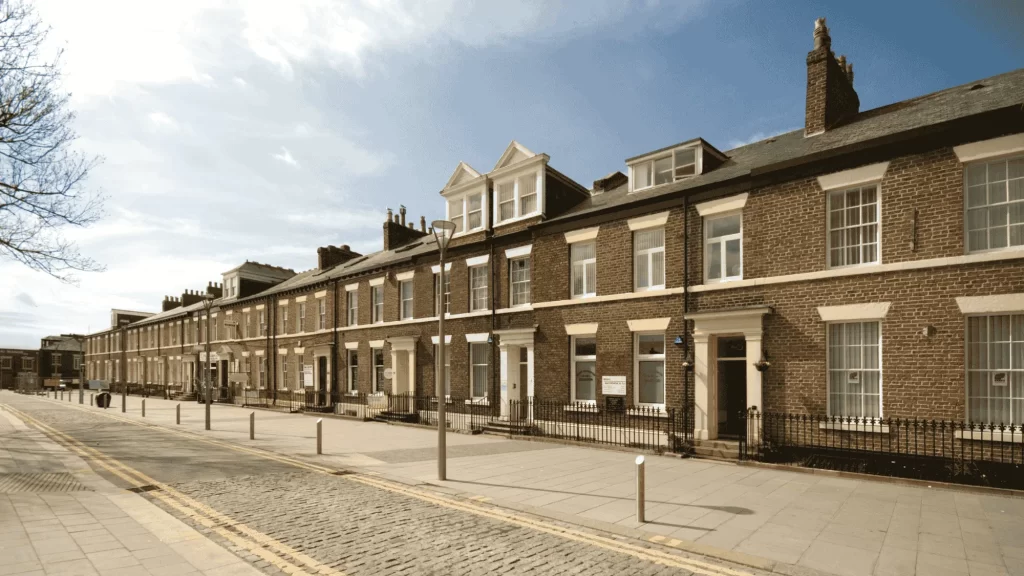
Essential resources for heritage homes
“Insurance is non-negotiable and standard cover simply won’t suffice, instead opting for bespoke listed building policies that account for inflated rebuild values and restoration imperatives. Be sure to also include a professional valuation to cover heritage specifics and lurking liabilities from prior lapses. Finally, tap into a community of like-minded guardians. The Listed Property Owners’ Club is your concierge to excellence: a curated directory of tradespeople, consultants, and insurers, plus savvy advice on VAT reliefs and planning labyrinths. Here, you’ll find camaraderie among those who cherish these treasures as much as you do.”