
Intrigued to know more? An expert reveals the many benefits – and why you should really consider trying it out.
“I think this year has really been when people have started to feel the full weight of constant digital noise,” explains Sacred Sound of the Soul’s Catrina Stanley. “We’re waking up and going to sleep with screens, notifications and information overload, and it’s exhausting in a way people can’t ignore anymore. At-home sound baths are appealing because they give you a simple off switch at the end of the day, something you can do in your own space without needing to learn anything complicated or commit to a full routine. We all just want a quiet 10 minutes before bed, and this is a powerful way to get it.”
What is an at-home sound bath?
An at-home sound bath is a guided listening experience where you use recorded sound – singing bowls, gongs, chimes or ambient tones – to help the mind and body unwind. Instead of being in a studio surrounded by instruments and a practitioner playing live, you create the same sensory environment in your own space using an app, YouTube recording, or streamed session. The difference is control and convenience. In a studio, you are guided through a shared group experience with a set start and finish time. At home, you can lie down in your own bed, adjust the volume to what feels right for you, and let yourself drift off without needing to move afterwards. For a lot of people, that is what makes it more effective for sleep.
Why are they increasing in popularity?
Sound baths haven’t suddenly appeared, but people are finally ready for something that fits how tired they already are. Nights feel more overstimulated than they used to, and people are not looking for complicated wellness routines. More people are actively searching for screen-free wind-down options and choosing audio at night because it feels less stimulating than scrolling. Sound baths are working because they are simple. You press play and lie down. There is no technique to learn and no pressure to ‘do it right.’
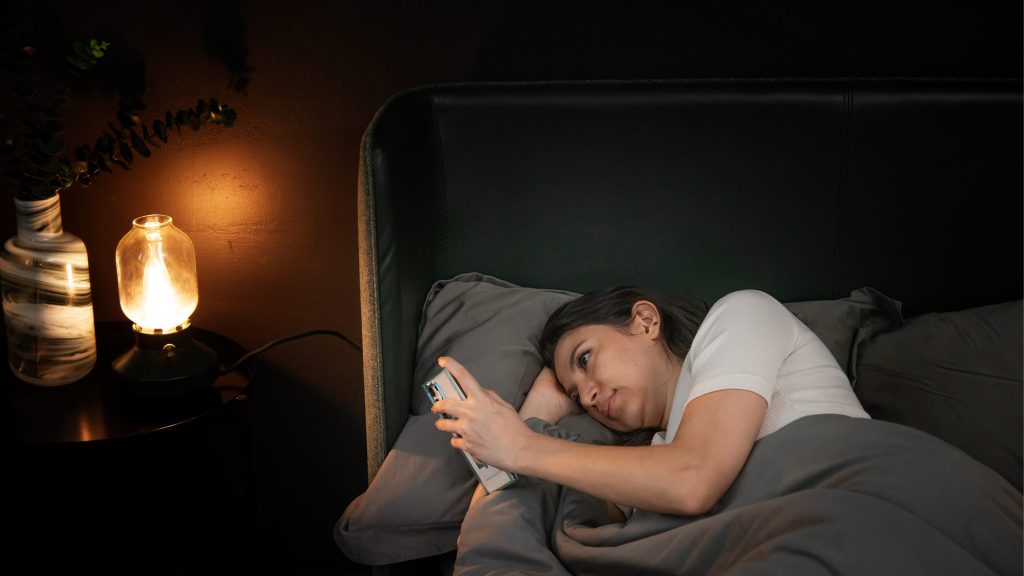
What’s driving people away from night scrolling and screen?
It is not that people have suddenly realised scrolling is bad for sleep. Most of us of course already know that. Scrolling is the default because it requires no effort and no decision-making, even if it doesn’t feel good afterwards. More people are hitting a point where it feels like too much stimulation, but silence feels too abrupt. Audio-based wind-down routines sit in that middle space. They keep the habit of ‘something on in the background’ without pulling attention or triggering the same constant switching between apps and content. It is not a conscious rejection of screens. It is a fatigue-driven swap for something that requires even less mental engagement.
What changes do people tend to notice?
Usually that their thoughts feel less scattered at bedtime. Instead of jumping from one idea to the next, the mind has something steady to rest on, which makes everything feel less active. Some people fall asleep faster, but even when they do not, there is often a sense of being less mentally switched on. It feels easier to stay in bed rather than getting pulled back into your phone or other distractions.
What happens during a sound bath?
In simple terms, the nervous system starts to slow down. The repetitive, steady nature of the sounds gives the brain something predictable to focus on, which helps reduce mental noise. As attention softens, the body often follows. Breathing becomes slower, muscles relax, and the sense of alertness drops. It is not something you actively control. It is more like giving the system permission to downshift.
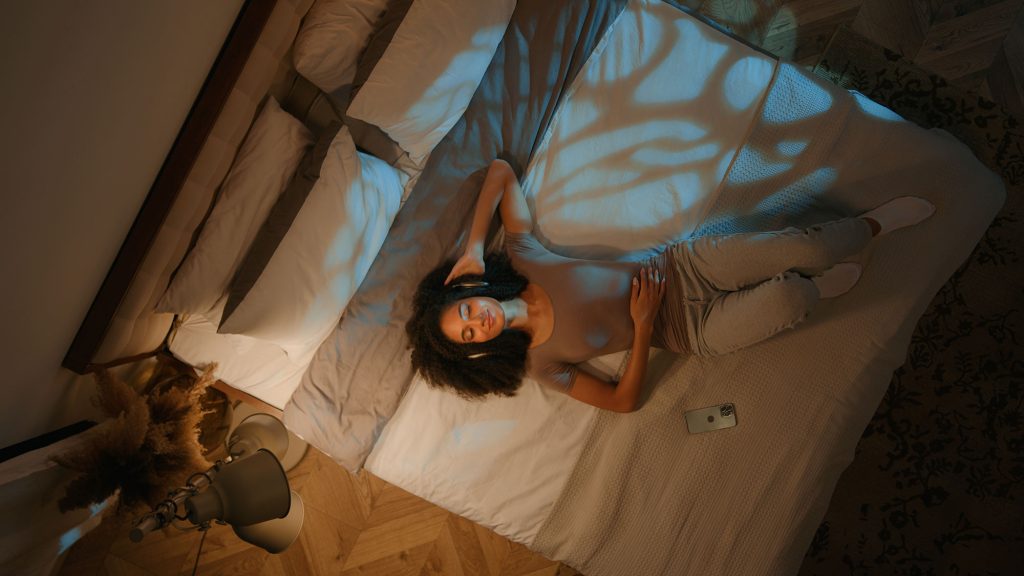
How can I try a sound bath at home tonight?
You don’t need to buy anything: a phone and a pair of headphones or a speaker are enough. Pick a sound bath recording, dim the lights, put your phone on do not disturb, and lie down comfortably. Set a timer if you do not want it running all night. Then just let it play without trying to focus too hard on it. The mistake people make is turning it into something they have to get right. It works best when it is passive. www.sacredsoundofthesoul.com