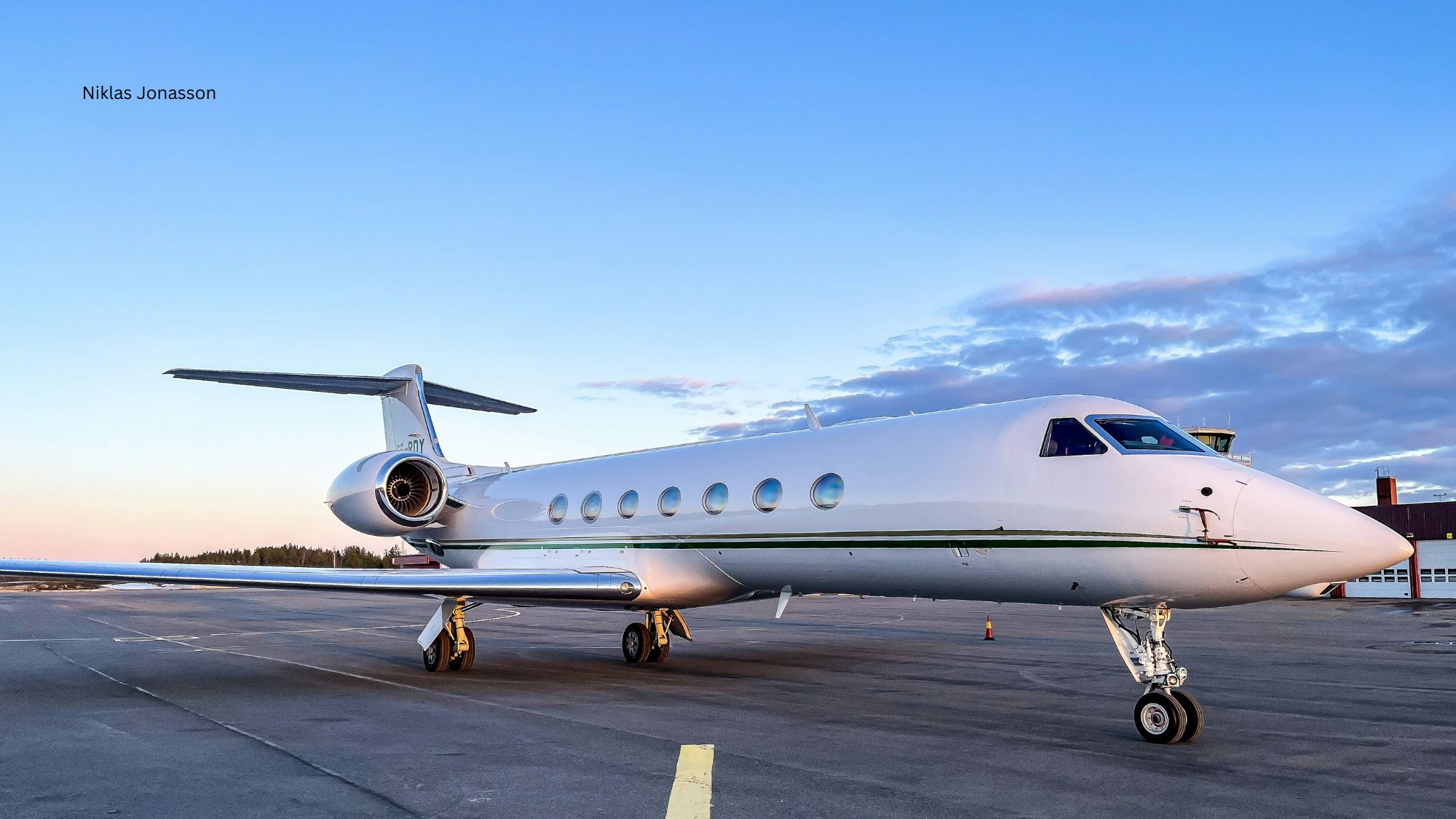
Aircraft ownership will be one of the most rewarding investments you ever make, but only when approached with clarity and discipline. Here, Michael Roberts, Aviation Expert at global discovery platform Sprinkle, offers some essential pre-purchase advice. www.sprinkle.com
For many, owning an aircraft represents the ultimate freedom – the ability to move on your own schedule, reach places airlines simply don’t go, and turn long, tiring surface journeys into short, efficient flights. But aircraft ownership is not simply a purchase; it is a long-term commitment of time, money, and organisation, and the biggest mistakes often happen long before a buyer ever steps onto a flight deck. “People fall in love with the machine before they’ve defined the mission,” explains Michael, “and that’s where problems start.” Before looking at listings or specifications, here are a few pointers on what every prospective aircraft owner should understand.
Start With Why You Are Flying
Michael warns that the most important advice is also the most ignored. Do not begin with the aircraft – begin with the trips you plan to make. For example, how many people will fly with you, and how far do you realistically plan to travel? How often you will fly, and where will you need to land? These questions define your mission, and without that clarity, it’s easy to buy either far more capability than you’ll ever use, or too little and regret it later. If an aircraft does not fit easily into your daily life, it will sit unused. “Aircraft are happiest, and most cost-effective, when they fly often and simply,” says Michael.
Know the Real Cost
The purchase price of an aircraft is only the beginning. Whether it flies or not, it will cost you money every year. Hangarage, insurance, scheduled inspections, maintenance, training, and regulatory compliance all add up, and fuel is only one part of the overall picture. Older aircrafts can be perfectly viable options, but only if parts are available, and skilled engineers can support them. Downtime, too, has a cost, particularly if the aircraft is relied upon for travel. “Assume something will break,” Michael advises. “Because eventually, it will.”
Check the History Carefully
A clean, complete logbook is essential before parting with finances. Buyers should look closely at total airframe time, as well as engine or rotor hours remaining. Damage history matters, as does where the aircraft has been based, since exposure to water and salt air can leave lasting marks. For first-time buyers, working with a trusted broker can significantly reduce risk. What looks like a bargain at first glance can become an expensive lesson later on.

Treat the Inspection Like a Trial
A pre-purchase inspection is not a courtesy and should never be treated as one. It is a test. Compliance status, corrosion, life-limited parts, and paperwork gaps all need scrutiny, because missing records reduce resale value quickly. “It flies fine” is not evidence, and this stage should never be rushed.
Understand UK Rules Early
In the UK, registration and airworthiness are two separate systems, and confusing them can ground an aircraft very quickly. Registration places the aircraft on the UK register, while airworthiness is what keeps it legally flying. Owners will need a valid Certificate of Airworthiness or Permit to Fly, ongoing inspections, and approved maintenance arrangements. Most work with a CAMO or a Part-145 or Part-CAO organisation approved by the UK Civil Aviation Authority. Miss an inspection or a document and the aircraft is grounded. “You can self-manage,” says Michael, “but many owners prefer professionals. The paperwork is dull, but it protects your safety, resale value, and your sanity.”
Tax and Import Can Ruin a Good Deal
Few areas cause more pain than tax, and mistakes here often cost more than bad negotiation. VAT depends on where the aircraft is purchased, how it is imported, and how it will be used. A private buyer will usually pay VAT on import into the UK, while a VAT-registered business may be able to reclaim it, but only if the aircraft is genuinely used for qualifying business activity rather than mainly personal use. “A cheap aircraft becomes expensive very quickly if VAT, duties, or structuring are wrong,” Michael warns. “This is where professionals earn their fee.”
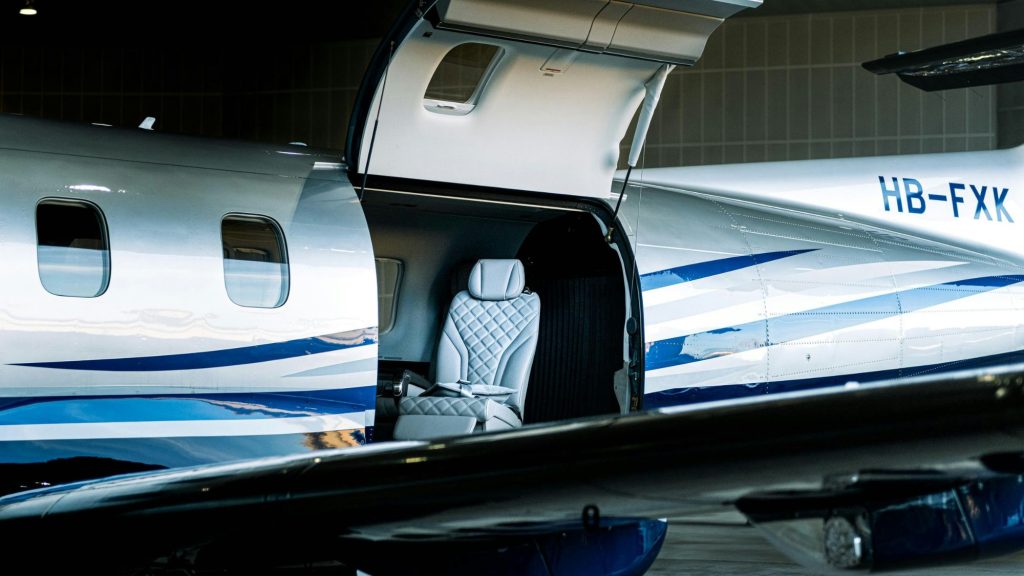
How to Find the Best Deals
While Sprinkle lists aircraft from around the world – serving everyone from first-time buyers to experienced high net worth owners – aviation remains in many ways an old-school industry. “Some of the best deals never make it online,” says Michael. “They happen within trusted networks of owners and pilots, or even on notice boards at local airfields.”
As Michael puts it; “Buy for the flying you will actually do, not the flying you imagine. When the aircraft fits your life naturally, ownership becomes freedom. When it doesn’t, it becomes friction.”
Know all you need to know now about purchasing your own aircraft? Take a look at why a superyacht could be the one for you – plus these are the cruises to book up for now.