Today, classic cars are seen as fine art alongside traditional masterpieces, says Giovanni Gasparini, Art Advisor at Altiqa MFO, and Global Art Markets Advisor at Regent’s University London. Ready to start your collector car journey? Giovanni provides some essential advice. www.regents.ac.uk
“In the past 15 years, we’ve seen the top-end markets for collector cars and fine art becoming increasingly similar. This makes sense, given how much collector cars and artworks have in common as investments. Both offer strong potential to hold their value in the face of rising inflation. They also have a role in creating portfolios to pass down through inheritance. In fact, classic cars’ tax profiles (usually classed as wasting assets) can be particularly beneficial from an inheritance perspective.”
Timing is key
“Understanding how acquisitions and resales are currently balanced is the most important element in assuring a positive return. Right now, purchases made before 2014 to 2015 are still generating good returns. However, cars acquired during the speculative market of 2021 to 2023 are generally at a loss. Do some research into what the market is currently favouring to ensure you get the best deal you can. This is regardless of whether you’re buying or selling.”
Become a subject matter expert
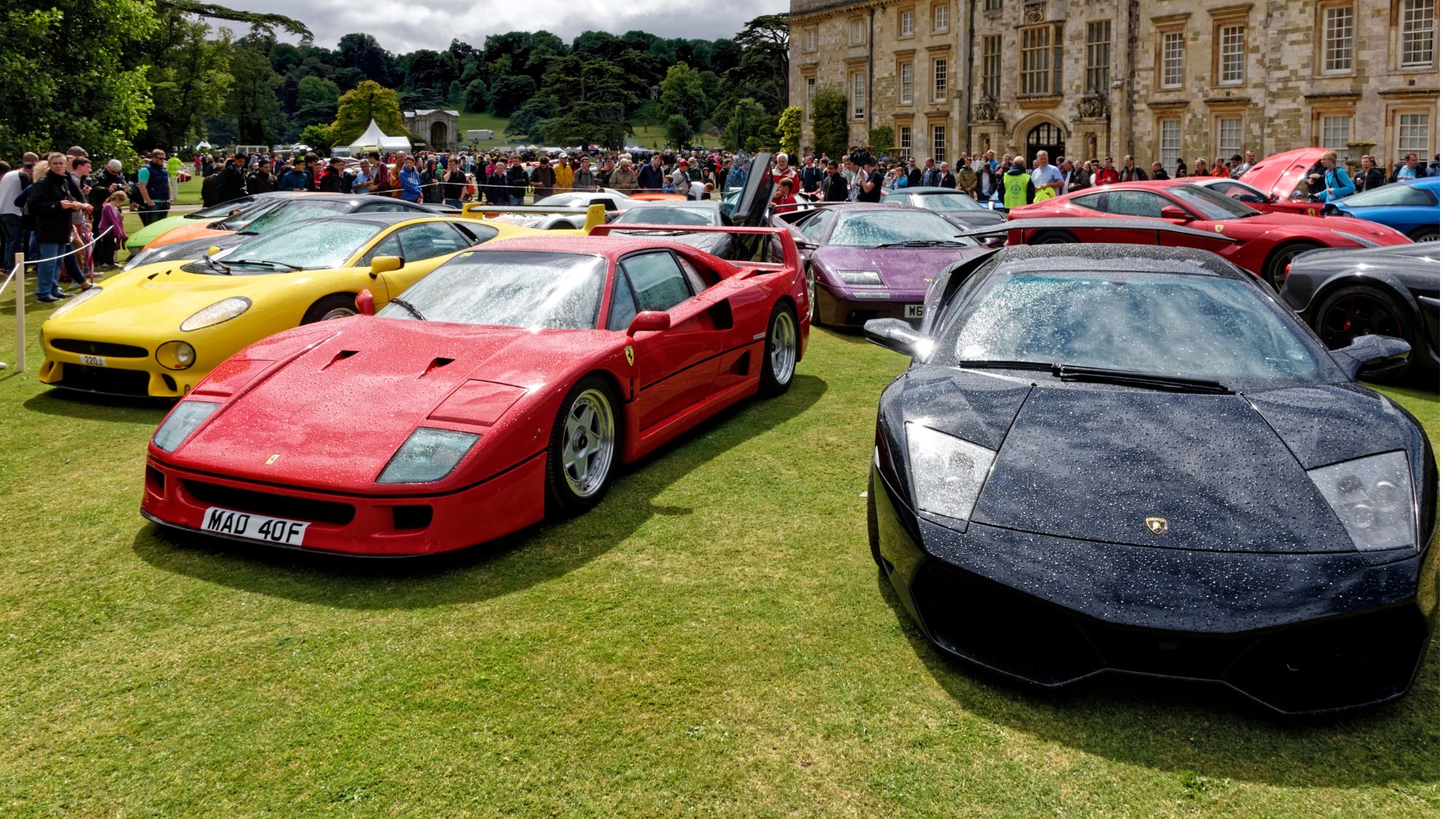
“It’s crucial to understand the vehicles you invest in. This includes the history, provenance and originality. It will also help when it comes to selling in future, as buyers are more likely to trust you if you’re seen as an authority, and backed by invoices of regular care. The more specific your knowledge, the better. Knowing everything about Porsches does not help when dealing with Maseratis. Maximising your return also requires a different approach than art. It largely relies on participating in Concours d’Elegance at the top level, such as Villa d’Este or Pebble Beach. Or dynamic exhibitions involving some risks, like the Mille Miglia, Monaco GP Historique, or Le Mans. Eligibility for these events is a key driver of value for the respective categories and periods.”
Don’t underestimate sentimental value
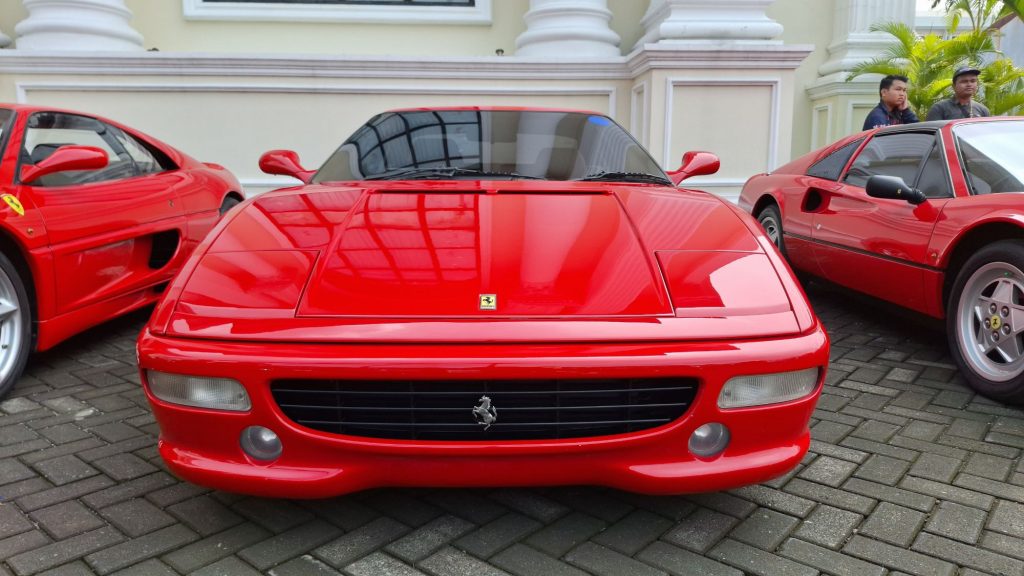
“For a lot, collecting cars isn’t just a financial investment, but their passion. Many will build a collection with the intent of passing it onto the next generation. This makes it a sentimental action, as well as one that will benefit them financially from the cars’ eventual sales. We can see personal preference win out over what might be considered the ‘smarter’ choice in the recent sale of the Bachmans’ 46 Ferraris at Mecum auction house. Despite the unusual colour schemes of the cars, the results exceeded expectations, and even beat records – selling for a total of $125 million (£92 million).”
Purchase strategically
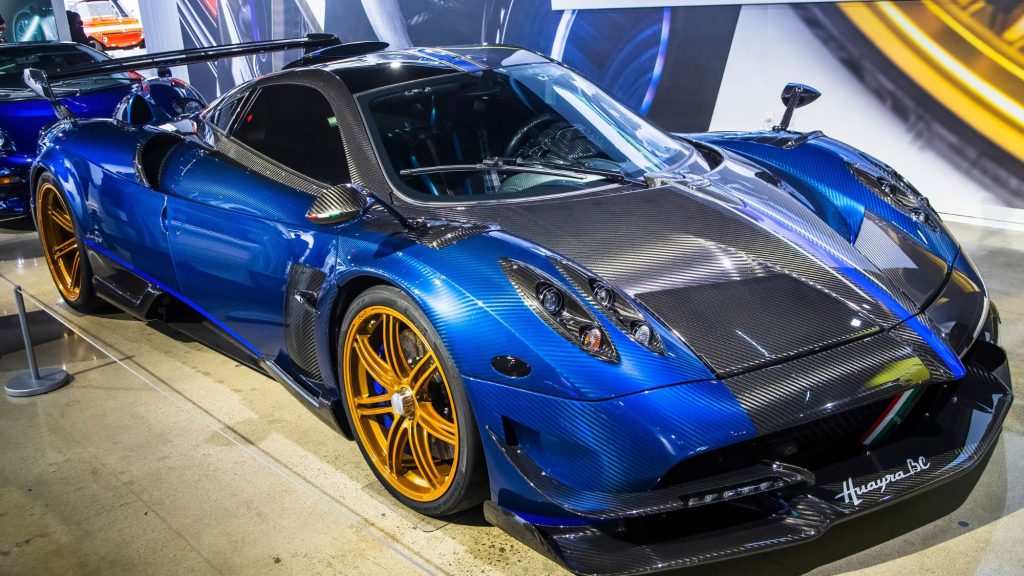
“If you’re looking for a shorter-term approach, newer, limited-edition models are an option. We saw this in Zurich with Deborah Mayer’s collection of 42 supercars. Limited editions from the last 30 years, they were pristine, with delivery miles or slightly more. Their value had increased significantly, thanks to scarcity and fashion. They sold for a total of $87 million (£64 million) in RM Sotheby’s highest ever grossing European sale. However, beware, as some brands such as Ferrari are trying to control this speculative approach to buying, ‘blacklisting’ suspected ‘flippers’. It’s also important to remember that transaction costs, despite being less than art, are still high (around 10-15% at auction). So, a significant portion of the appreciation is going to be absorbed by intermediaries and, in some cases, taxes such as VAT.”
Look after your investments
“Whichever way you decide to invest, taking care of them is paramount to anything else. This means dedicating the proper time and money to safe storage, regular care, insurance, and maintenance. It can vary car-by-car, so take note of the different requirements for each make. I’d recommend regular driving (at least monthly, and always with enough time for the engine to warm up), storage in a dry and well-ventilated area, regular servicing, and washing by hand.”
A final word
“Collecting cars is as much an art form as it is a hobby. Collectors and investors have always had an advantage: an immaterial and non-quantifiable return from the pleasure of owning the cars they love. Then there’s the opportunity to participate in a community with like-minded people. This passion, paired with knowledge and care, can make cars one of the savviest investments you can make.”