The luxury world is changing, with the gap between ‘mass’ and ‘true’ luxury widening. Dr Bhavini Desai, Director of Programmes for Marketing and Brand at Regent’s University London, works closely alongside the likes of Mulberry, Fortnum & Mason and Laurent-Perrier and has seen this shift first-hand. Here, she offers her advice on how you can identify the truly high-end pieces you should be investing in. www.regents.ac.uk
“At Regent’s, our students work directly with luxury brands through live projects, industry speaker events and our Luxury Lab programme, so we’ve seen for ourselves how the perception of ‘luxury’ is changing — from fashion and design to hospitality and wine. This, in part, has been driven by social media influencers, which has prompted a rise in mid-level ‘luxury’ brands and products being perceived as more attainable and less exclusive. I refer to these products as ‘mass luxury’. This type of luxury is more widely accessible to the average shopper — it is cheaper, readily available and often visibly branded. Those who might not have historically shopped for high-end items choose them because they signpost to others that they are actively participating in the concept of ‘luxury’.
“This contrasts significantly with ‘true luxury’, which remains exclusive and refined. Unlike mass luxury, these products often don’t feature overt branding. Instead, they are quieter and more discreet and rely on craftsmanship and heritage to signal their importance to those ‘in the know’.”
Five questions to ask before buying a luxury product
How many seasons will this last for?
True luxury is built on real quality, instead of trends. This results in pieces that are made with durable materials that can be worn again and again. They are also timeless, meaning they can be used the next season (and the one after that) without looking out of place.
· Look for items that feel substantial, instead of mass-produced
· Choose pieces you could wear again the following year
· Prioritise a few luxury pieces instead of multiple cheaper items
What about how the item has been finished?
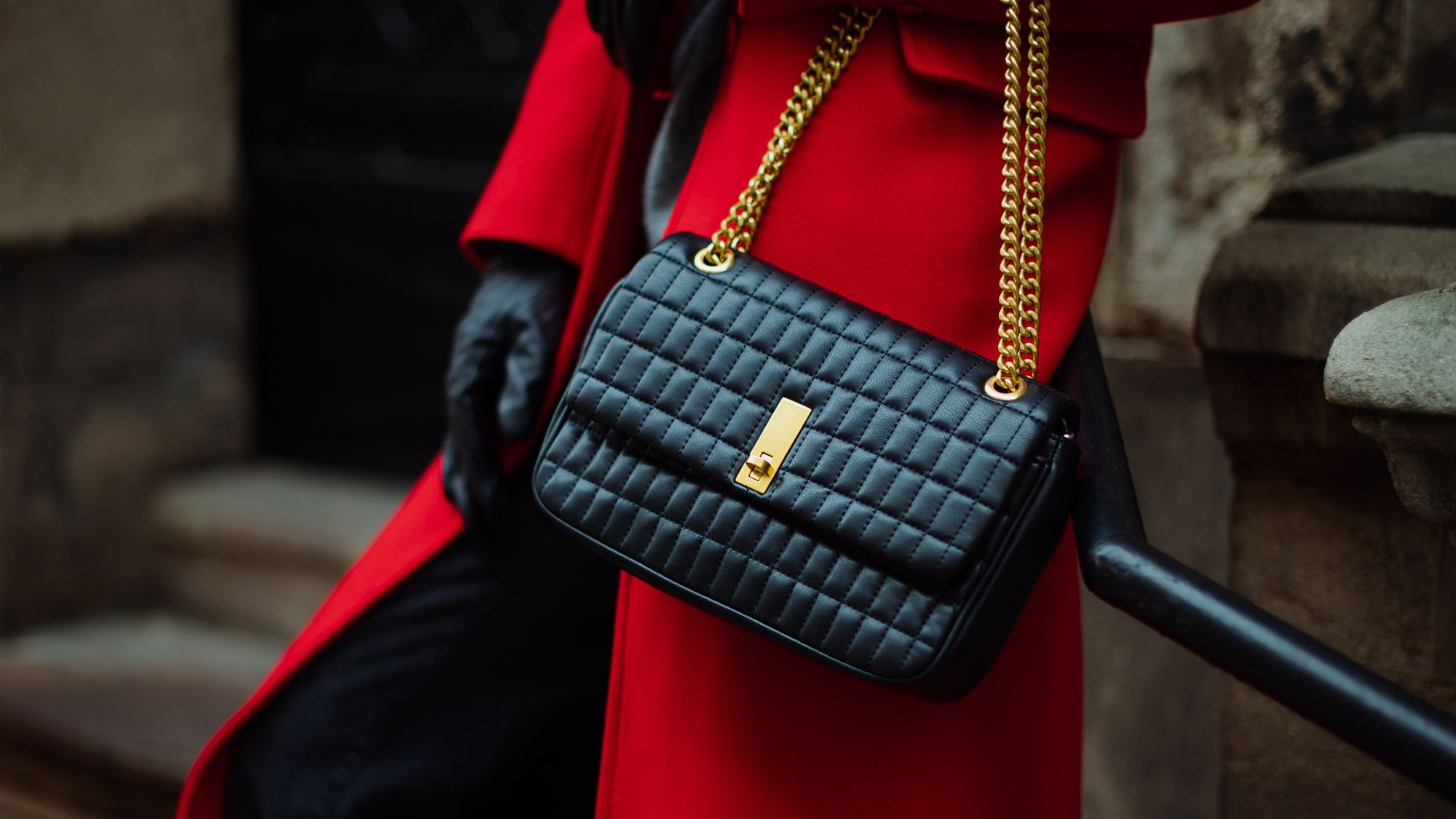
Hand-stitching, precise pattern matching and quality hardware are all good indications of the real workmanship that goes into luxury pieces. These details, however small, are what differentiate genuine luxury from cheaper, mass-produced items.
· Ask whether any part of the item is hand-stitched or hand-finished
· Inspect seams, stitching, zips and overall structure. Imperfection usually signals mass production
· Look for brands that explain how the product is made — transparency is a tell-tale sign of real craft
Does the price reflect the substance?
It should never be cheap, but the price tag should always be justified through quality and craftsmanship rather than marketing hype or trend chasing.
· Ask why the piece costs what it costs — it should reference materials and workmanship
· Be wary of brands with high prices but factory-level production practices
· Remember that true luxury often feels expensive but not unduly inflated
Do the brand’s ethics and values align with yours?
For many of us, a brand’s values matter more than ever. We want to support brands that are ethical, sustainable and genuinely making a positive impact.
· Check whether the brand shares where, how and by whom the products are made — silence may indicate poor labour practices or conditions
· Look for quantifiable sustainable commitments and real evidence, rather than meaningless slogans
· Pay attention to the brand’s stance on social issues, diversity and inclusion
· Take a look at who the brand partners with — ambassadors, creators and communities likely reflect its own values
What is your experience as a customer?
Consider as much about how you are treated as what you buy. Boutique appointments, personalised advice, champagne service and upscale environments are all indications that the brand you’re buying from is truly exclusive.
· Note the in-store experience: do staff make you feel welcomed, respected and valued?
· Look for personalised services like private appointments, styling guidance or concierge support
· Be cautious of brands whose stores feel intimidating or inconsistent, as true luxury should never make you feel judged
· Exclusivity should feel curated, not exclusionary: bespoke service should still feel human, rather than performative and fake
A final word of advice
Building a luxury collection of any kind, whether it’s a wardrobe, watches and jewellery or even a wine cellar, is about curating, not simply accumulating. When you choose pieces deliberately rather than impulsively, prioritising quality, craftsmanship and timelessness, you can never go far wrong.