
Approximately 1.2K people search for ‘long haul flights’ every month, but travel experts warn that six common in-flight habits could be costing them heavily
Long-haul journeys may mean luxury suites and Champagne on demand, but spending hours in the air can also take a toll on the body – even with your own in-cabin bed. Extended periods of hardly moving, dry air, jet lag and disrupted sleep often leave passengers feeling sluggish before their holiday begins. NHS research also says that anyone travelling for more than four hours may face an increased risk of blood clots.
“A long flight feels much harder than it needs to when you treat the journey itself as an afterthought,” says Sarah Rodrigues, a travel expert working with Avanti Travel Insurance. “With this in mind, here are my top mistakes that holidaymakers commonly make on long-haul flights – and the simple ways to avoid them.”
Choosing The Wrong Seat
On a long-haul flight, comfort matters far more than what you can see out of the window. “The best seat is not always the one with the view,” says Sarah. “In order to stretch, move around and get up regularly, plus an aisle seat makes the journey much easier to manage.”
And for travellers with pre-existing medical conditions, Dr Asimah, a medical expert working with Staysure, advises seeking clinical advice before flying long haul. “For those with a history of blood clots, reduced mobility or other health conditions, it is always a good idea to consult a professional to understand the best ways to keep yourself comfortable.”
Small adjustments can also make a difference. “Compression socks apply gentle pressure to the legs, helping blood flow back towards the heart more efficiently during long periods of sitting,” continues Sarah. “This can reduce swelling, and may lower the risk of discomfort and some circulation-related issues on long-haul flights.”
Ordering Incorrect Drinks
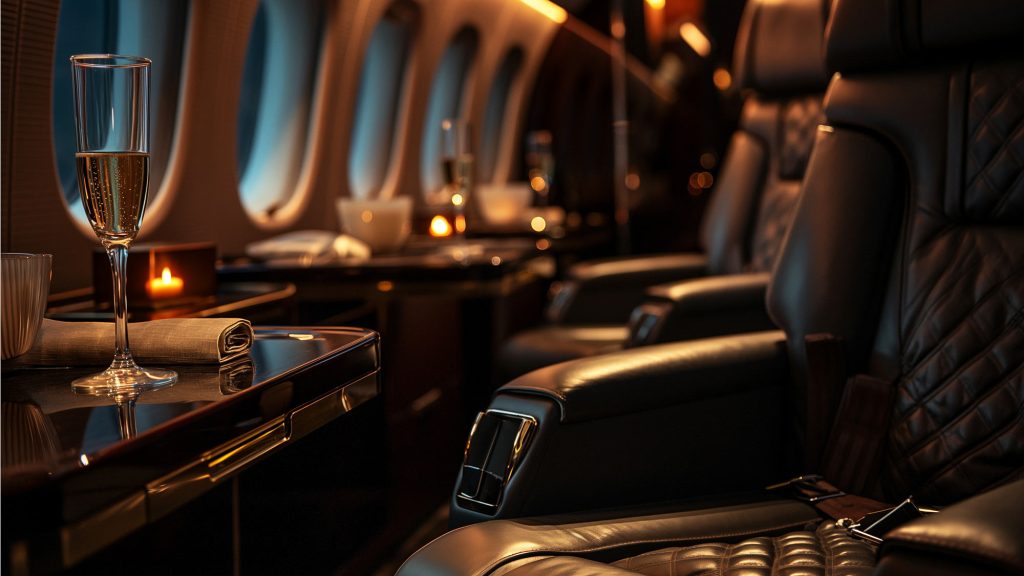
It feels tiresome to keep an eye on your drinks while on vacation, but for some, the wrong one can mean an uncomfortably long journey. Sometimes travellers avoid water so they do not have to keep getting up, while others rely on coffee, fizzy drinks or alcohol to get through the journey. Dry cabin air can also leave you feeling dehydrated, while too much caffeine or alcohol may make sleep disruption and jet lag symptoms worse.
“Alcohol might make you feel drowsy at first, but the aim is not just to sleep on the plane,” says Sarah. “It is to arrive feeling as steady as possible, especially if you want to make the most of the first day of your trip.”
Dr Asimah adds: “Cabin air is very dry, which can leave passengers with a dry mouth, dry eyes or a stronger feeling of thirst. While it is fine to enjoy a drink or two, too much caffeine or alcohol can contribute to dehydration, potentially worsening jet lag and leaving you feeling more tired when they land.”
Guessing Medication Timings Across Zones
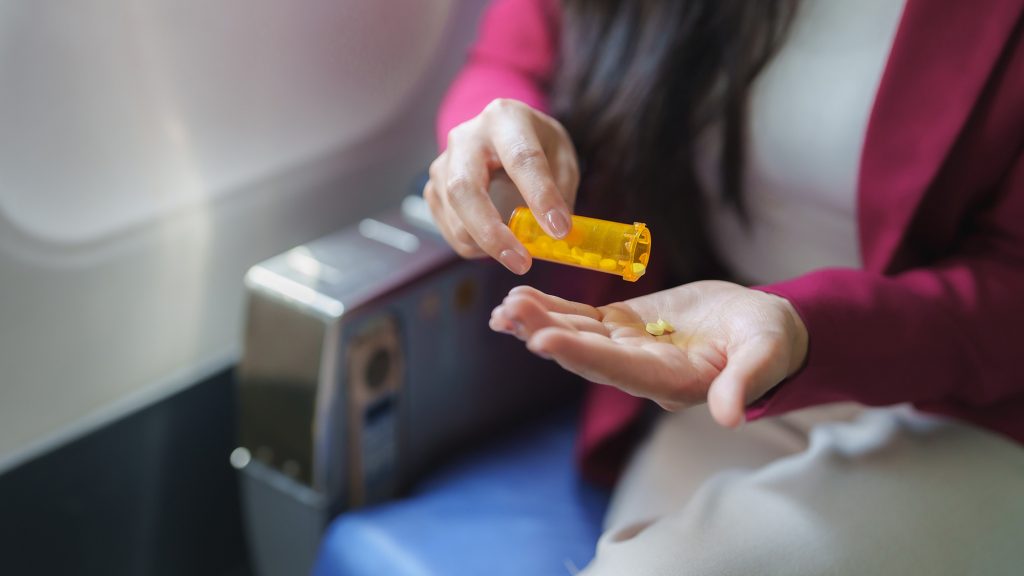
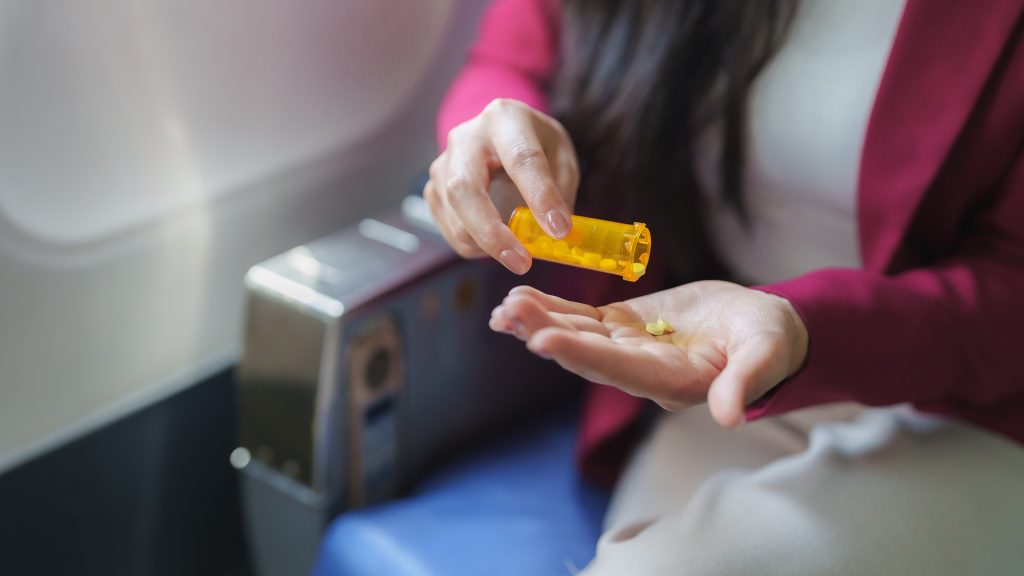
For those who take regular medication, long-haul flights can create confusion around when doses should be taken. Crossing multiple time zones may affect medication schedules, and guessing is not always safe. To help manage this, it can be useful to note down the times you take your medicines in the UK and then factor in the time difference, so you have a clear plan for when doses should be taken while abroad. This is especially important for travellers with pre-existing medical conditions, particularly those on medication that need to be taken at regular intervals or at specific times each day.
“Medication timing should be planned before travel, rather than worked out halfway through the journey,” says Dr Asimah. “Keeping your watch on UK/home time can work, but when crossing multiple time zones, it may be helpful to gradually adjust to local time, while making sure you do not exceed your prescribed daily dose.”
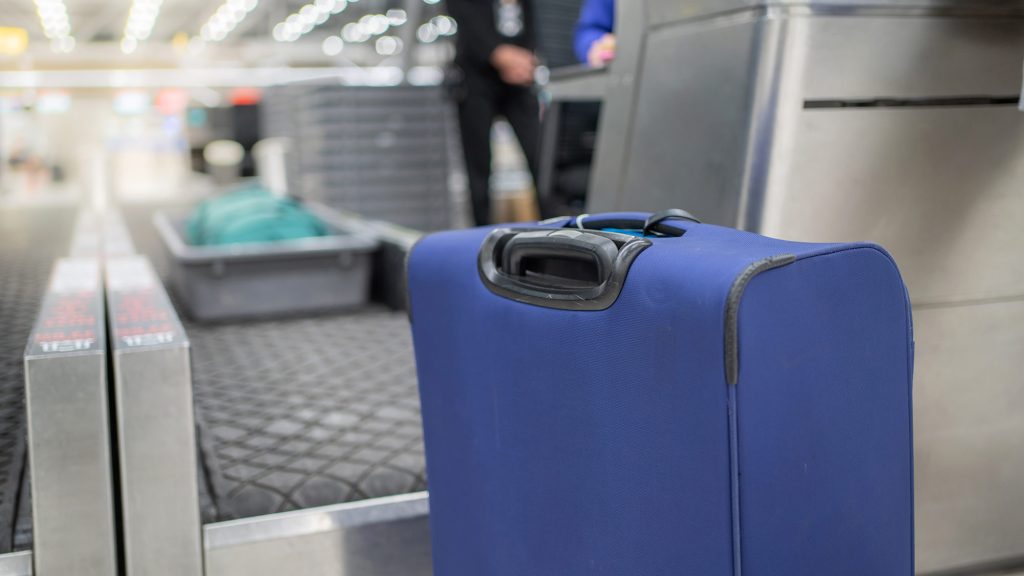
Packing Essentials in Checked Luggage
Another common mistake is placing important items such as medication, glasses, chargers, or insurance documents in checked baggage. For instance, if a portable power bank is discovered in a checked suitcase, it may be pulled for additional screening, delayed, or even removed from the flight. In some cases, if the bag has already entered the baggage system, it may not travel until the issue is resolved.
Most long-haul travel mistakes are not dramatic, but small things people often overlook. “These seemingly minor choices can have a big impact on how the first day of a holiday feels, which is why careful preparation is so important,” says Sarah. “Planning ahead shouldn’t just focus on the holiday itself, but also on the journey there. Holidaymakers can also benefit from having travel insurance in place, helping to protect against unexpected delays, cancellations, or disruptions, and offering peace of mind from the moment they step onto the flight.”
www.avantitravelinsurance.co.uk
www.staysure.co.uk
Always drink responsibly, and always take medicines exactly as directed, with food or on an empty stomach where required, and seek advice from your doctor or pharmacist if you are unsure, particularly for long-term treatments.