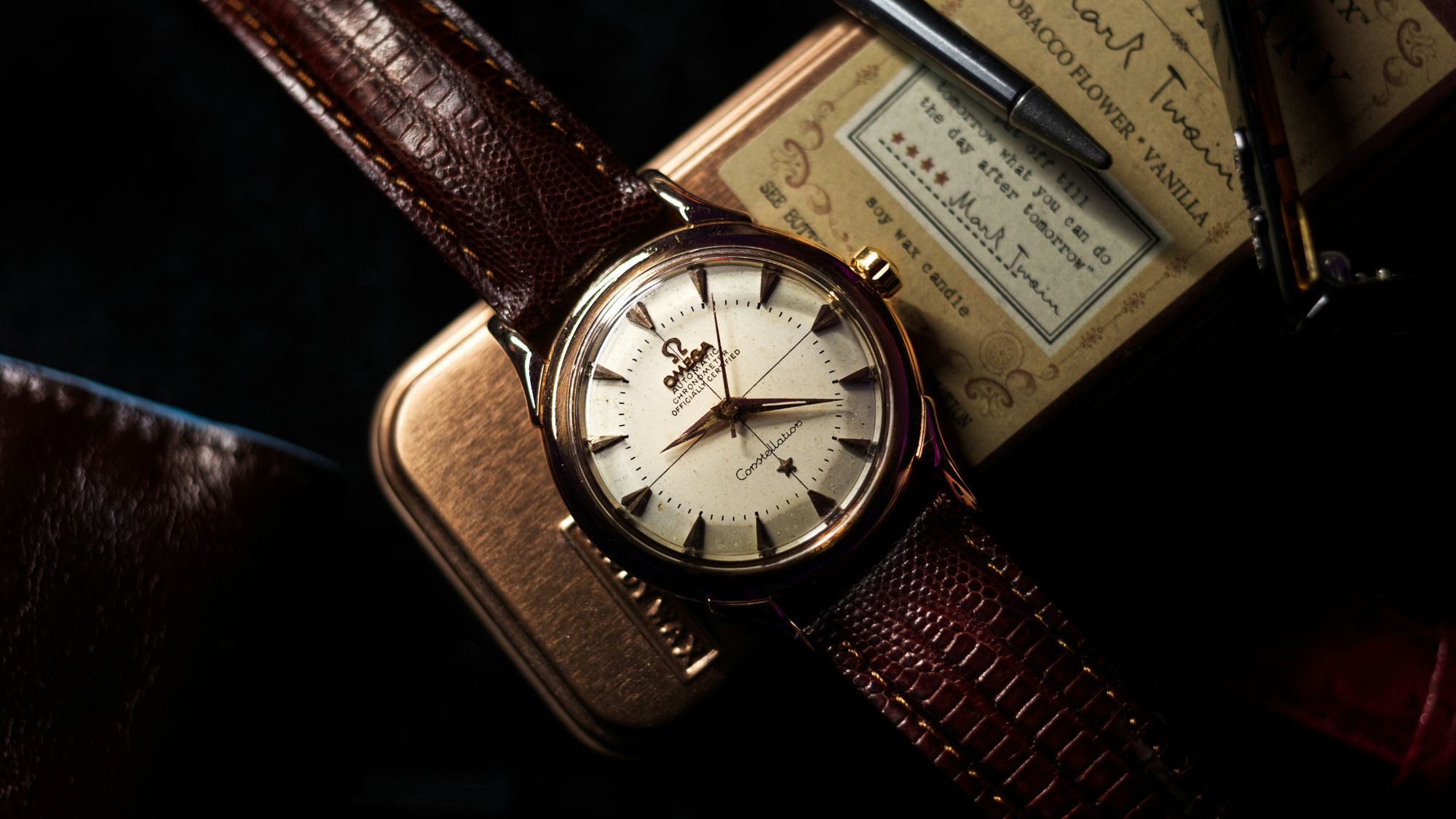
Vintage watches are experiencing a major surge in popularity, explains Blake Asaad, Founder and Creative Director of GOODSTONE, a leading provider of exquisitely crafted diamond jewellery.
Vintage watches are having a moment in 2026. While oversized statement pieces have dominated previous years, this year’s collectors are drawn to smaller, more delicate vintage timepieces that offer understated elegance. However, these beautiful timepieces require special attention due to their age and delicate construction. “There’s something special about wearing a piece that has its own history and character,” begins Blake. “Modern watches, whilst technically superior, often lack the personality and craftsmanship found in vintage pieces. Each scratch and patina tells a story, making every vintage watch truly one-of-a-kind, allowing wearers to express individuality whilst investing in something with lasting value. And, with the right care, these timepieces can last for generations. Here are my top tips for keeping these delicate pieces in pristine condition.”
Use Gentle Cleaning Methods
Never submerge a vintage watch in water unless you’re certain it’s water-resistant. Instead, use a soft, lint-free, slightly damp cloth to wipe the case and crystal. For metal bracelets, a soft-bristled brush can remove dirt from hard-to-reach areas. “The gentler you are, the better,” Blake advises. “Harsh chemicals or abrasive materials can damage delicate finishes and components that simply can’t be replaced.”
Service Regularly
Vintage watches need professional servicing every three to five years. A qualified watchmaker can clean the movement, replace worn parts, and ensure everything functions properly. “Think of it like servicing a classic car,” Blake explains. “Regular maintenance prevents small issues from becoming expensive problems.”
Store Properly When Not Wearing
Keep your vintage watch in a cool, dry place away from direct sunlight and magnetic fields. A watch box with soft lining provides ideal protection. “Magnetic fields from electronics can affect the movement’s accuracy,” Blake notes. “Proper storage protects against both physical damage and environmental factors that can cause deterioration.”
Wind Manually with Care
If you have a manual-wind vintage watch, wind it gently and consistently. Stop when you feel resistance to avoid overwinding. “Vintage mechanisms are more delicate than modern ones,” says Blake. “Forcing the crown can damage the mainspring, leading to costly repairs.”
Avoid Extreme Conditions
Keep vintage watches away from extreme temperatures, humidity, and water exposure. Even watches that were once water-resistant may have deteriorated seals. “These watches weren’t designed for the rigours of modern active lifestyles,” Blake warns. “Treat them as the delicate treasures they are, and they’ll reward you with years of reliable service.”
How To Choose the Right Timepiece for You
“The beauty of vintage watches is their imperfections and character, but that doesn’t mean you can neglect their maintenance. Regular care maximises their odds of remaining functional and beautiful for years to come. I always advise collectors to build a relationship with a trusted watchmaker who specialises in vintage pieces. They can provide invaluable guidance specific to your watch’s make and model. With proper attention and care, a vintage watch can become a cherished heirloom, passed down through generations whilst retaining both its charm and value.”
Want to know how the master watchmakers became world-famous horologists? Read our exclusive interview with Roger W Smith.