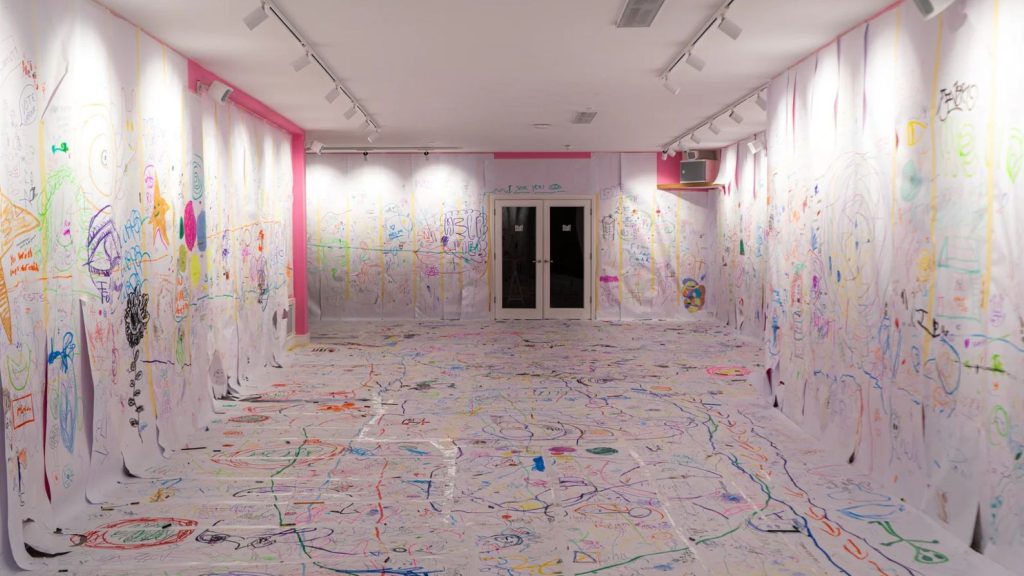
He started life on a council estate and now runs two successful businesses. We sat down with the entrepreneur to discuss why art should be accessible for all.
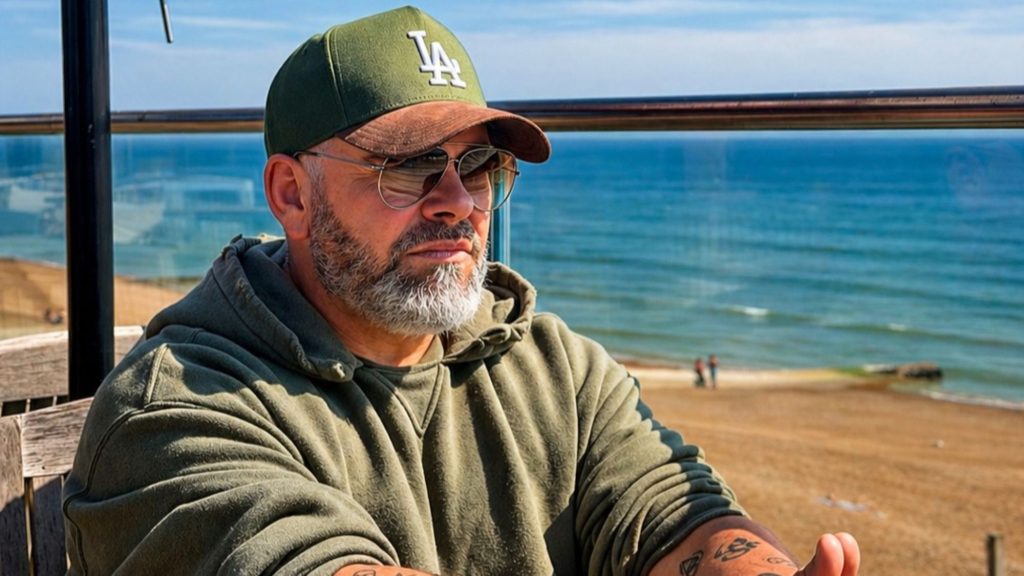
Luke, start by telling us more about your gallery and what it’s all about.
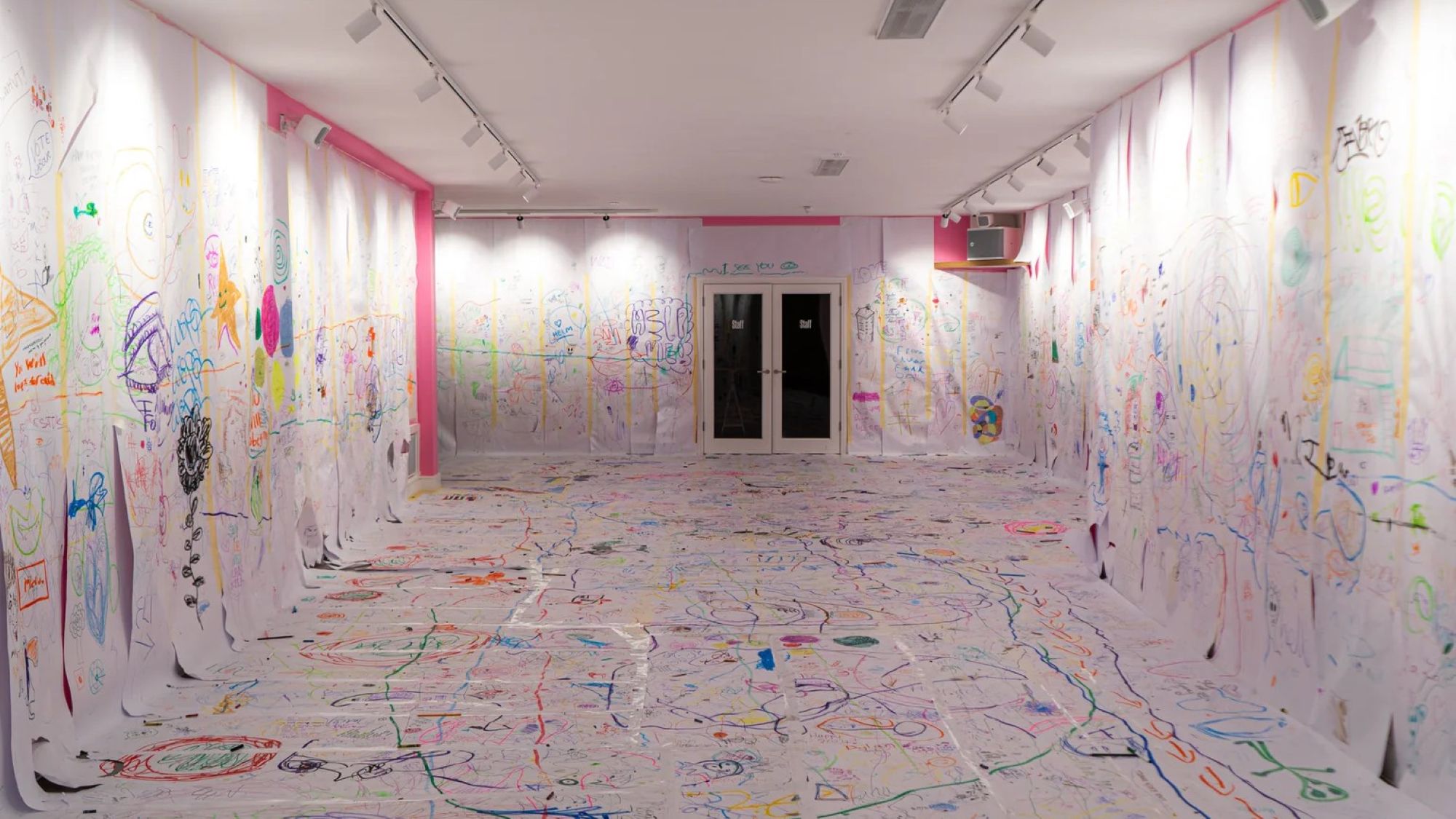
“Helm Gallery is rooted in the idea that art shouldn’t feel distant or intimidating. Instead, it feels like something you can walk in to on a normal day and just enjoy. I wanted to strip away that sense of formality and create a space that feels social, open, and part of the rhythm of everyday life in Brighton. Whether someone’s been collecting for years, or has never set foot in a gallery, it should feel the same; welcoming, unforced, somewhere you can spend time, have a drink, bring friends, and naturally connect with the work. That’s always been the point: making art feel less like a closed world and more like something people can actually be part of.”
What works can we expect to see in your gallery right now?
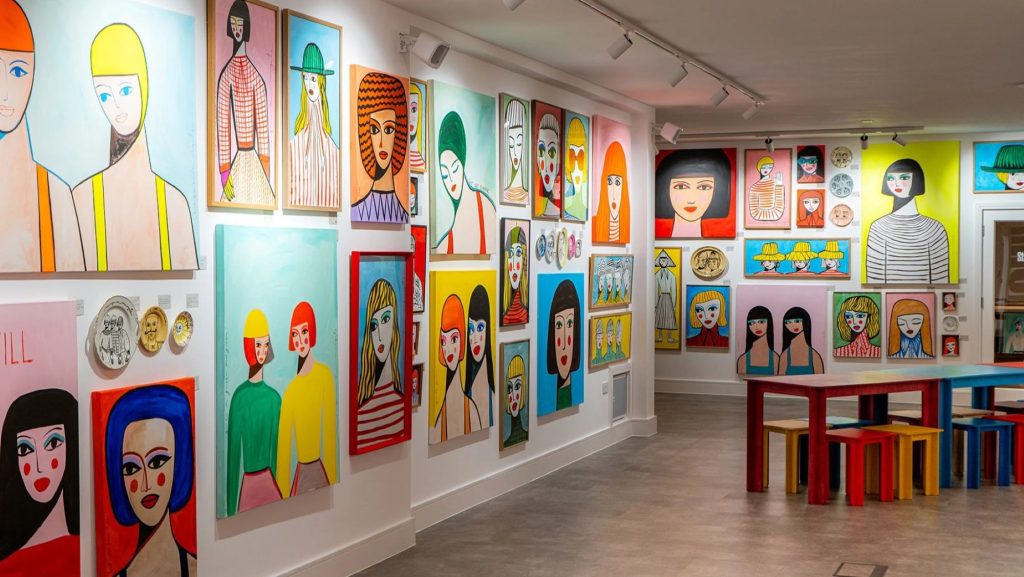
“At Helm, we have works from names like Banksy, Sir Peter Blake and Damien Hirst, who is arguably one of the most successful British artists in the last 30 years. But we also show contemporary artists such as Eric Stefanski, Margo In Margate and André Schulze, so there’s a real range of entry points and stories. André’s work, for example, has this brilliant way of reimagining found imagery and old photographs, while Margo In Margate brings a very British, playful character to the space.”
So how does your gallery differ from others?
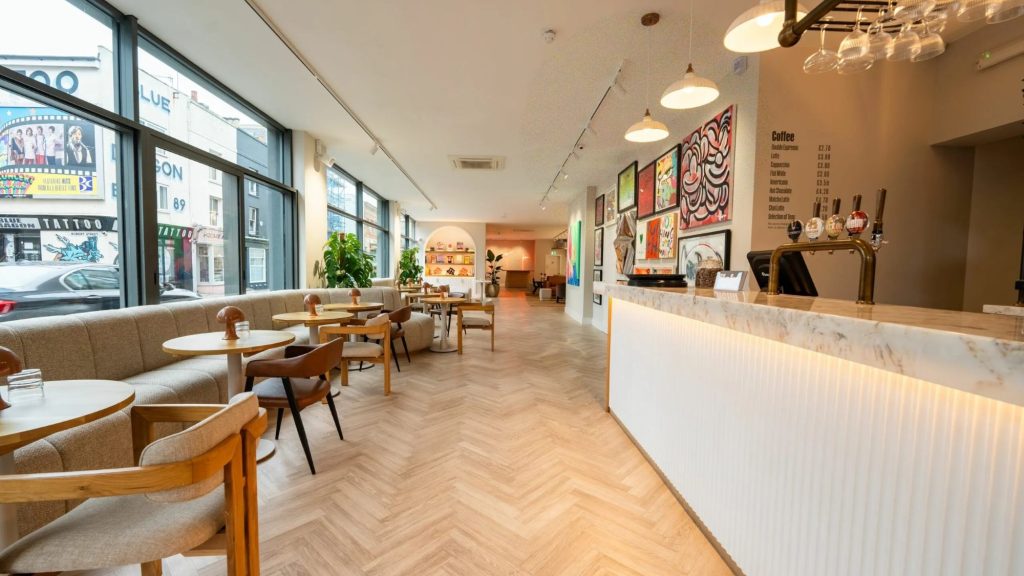
“A lot of galleries can feel quite closed off, but Helm is built to feel the opposite: open, social and easy to step into. We treat it as much more than a gallery; it’s more of an experience-led venue. Alongside exhibitions, we host private views, artist talks and live art evenings, as well as more social events that bring a different energy into the space. People might come in for an opening night, a DJ-led evening or to see an artist working live, and end up engaging with art in a way they hadn’t expected. In March we had a OMGTea matcha masterclass, which was a massive hit, as well as a networking event for LGBTQIA+ artists, creatives and allies across the arts industry. It really is a space for people to connect.”
Art as an investment – what’s your take on what people should be looking to buy and why?
“I always say start with what you genuinely connect with. If you’re only thinking about return, you’re missing a big part of the value. You’re the one living with it, so it needs to resonate first. Beyond that, there’s real momentum around emerging artists who have a clear identity and point of view. Those are often the names that grow over time. People are also leaning into more accessible entry points, like editions or smaller works, which makes collecting feel less daunting while still backing artists early.”
You don’t just co-own a gallery. Talk us through your other businesses and how you got to where you are now.
“I’ve always been pulled towards building things that create a sense of community. Rockwater came out of that, shaping coastal spaces where people can eat, work, switch off or plug in, all within a setting that still feels elevated. When people leave London for the coast, there’s often a trade-off; you gain the lifestyle shift, but lose the density of culture, food, and experiences. I didn’t see why that had to be the case. The idea was simple: one place that flexes with you, somewhere you can bring the kids, take a meeting, open your laptop, or head straight into a class. When we first opened in Hove, it felt like a bit of a leap, but the thinking was always that early investment could shift momentum. Now the area has a different energy entirely. Back then, it was pretty bare. We were starting from almost nothing. The gallery came from a similar instinct, just expressed differently. My entry point into art was through graffiti and street culture, which gave me a way in that didn’t feel closed off or institutional. Over time that widened into a broader view of what art could be and who it’s for. None of it has followed a conventional path. It’s been about recognising where something is missing, trusting that instinct, and building in a way that doesn’t always align with how things have been done before.”
Again, how do these differ from the norm?
“Both businesses challenge the idea of exclusivity. Whether it’s hospitality or art, there’s often an unspoken barrier around who something is for. With Rockwater, it’s about creating high-quality, luxury spaces that still feel welcoming and easy to step into. With Helm, it’s about making art feel approachable without losing its integrity. There’s also a stronger focus on community. These aren’t just places people pass through; they’re places people return to, spend time in and feel part of.”
You grew up on a council estate – how has this affected how you feel about how you run your businesses?
“It’s shaped everything really. Growing up, a lot of the spaces I now operate in felt completely out of reach. So there’s always been a drive to do things differently. I’m very conscious of how environments can make people feel, whether that’s welcome or out of place. That’s why accessibility isn’t just a buzzword for me, it’s built into how the business runs. It also gives you a certain perspective on risk and ambition. You don’t feel tied to doing things the right way because you weren’t part of that system to begin with. That freedom has probably been one of the biggest advantages.”
Looking back, is there anything you would change when it comes to where you are now?
“Starting a business feels a lot like jumping off a building and figuring out how to fly on the way down. I’ve made more mistakes than I can count, but what really matters is grit, and the ability to keep finding solutions, no matter what comes your way.”
And what’s been your best business-led moment so far and why?
“My best business led moment was taking the initial decision to set up my first company IW capital.”
What advice would you give to anyone who wants to switch from being employed to being an employee?
“I’d say don’t leave something just to escape it. Leave because you’re genuinely pulled towards building something of your own. For me, the biggest lesson has been that you don’t need the perfect background or a perfect plan. You need work ethic, a strong instinct and the willingness to learn quickly when things don’t go to plan. And start before you feel completely ready. Test the idea, understand the audience and be honest about the risk, but don’t wait until every box is ticked. Most of the learning happens once you’re actually doing it.”
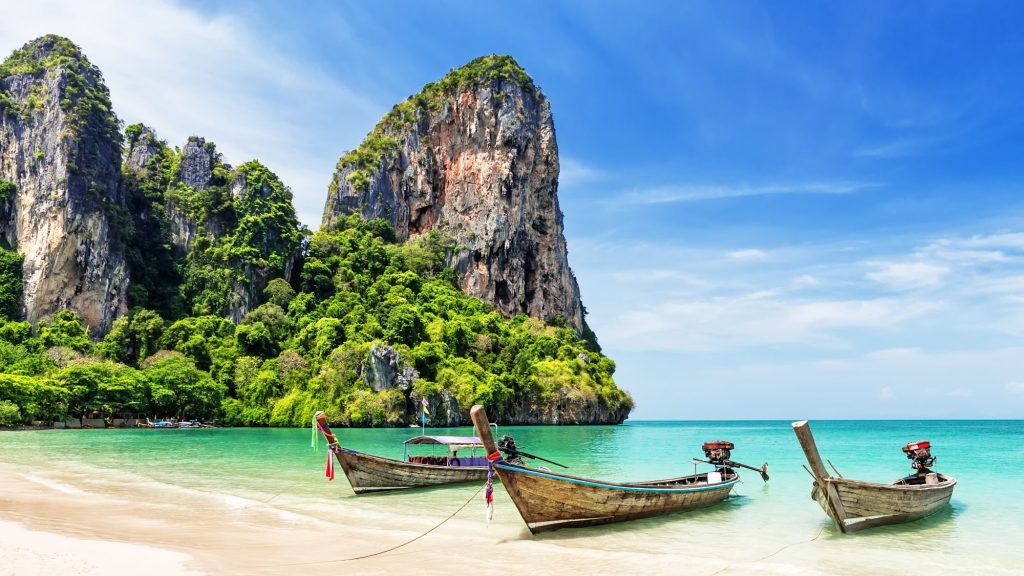
Time for some quick fire questions:. You can go to any destination in the world. Where do you head?
“Thailand for me is my happy place, I love the culture, food and especially the Muai Thai boxing.”
You’ve enough money to be able to hire a well-known band. Who do you choose?
“I am not a huge fan of band music but we recently had Hybrid Minds playing at Rockwater and it’s safe to say it was an incredible night!”

If you could buy any car, and money was no object, which would you choose?
“Growing up, my dream car was always a Porsche. That changed the moment I discovered the Audi R8. After sitting in one in the showroom, I remember thinking, one day, I’d love to own this.”
Who do you most admire in the public eye?
“I most admire people who take big risks, driven by the belief that they can create a better future for themselves and their families.”

And finally, tell us one secret no one knows about you – until now.
“Something a lot of people don’t know about me is that I am an avid chess player.”
Find out more about the Helm Gallery by heading to www.helm-gallery.com