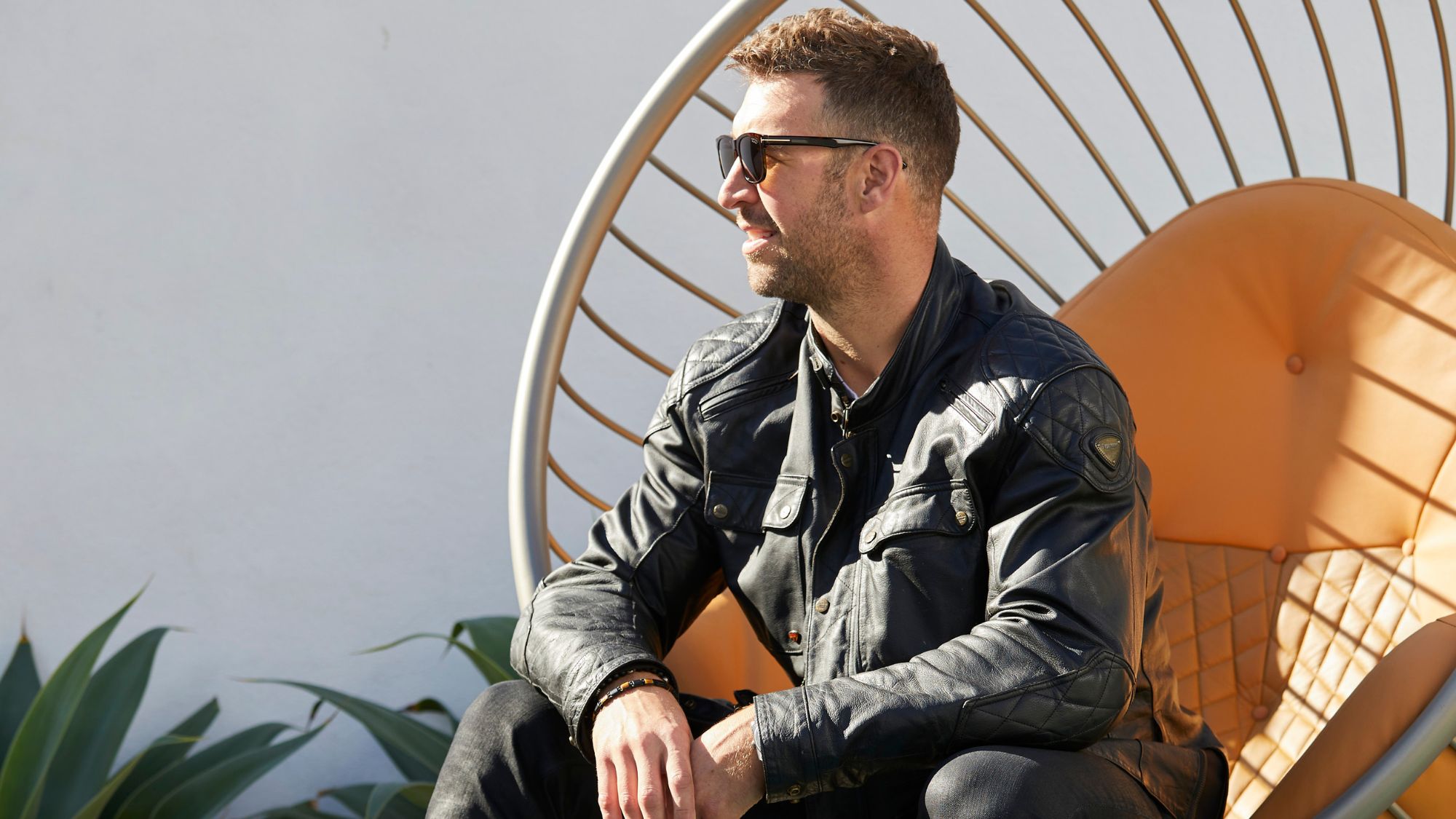
Specialising in light and automotive artworks, Best Of Living spoke to Ben Rousseau to discover why brands such as Chanel and the V&A have been so entranced by his vision. www.benrousseau.com
Ben, it appears we have caught you at a busy moment.
“Very much so. This year marks the 10-year anniversary of my first illuminated timepiece, the Tempus Collection. That means it’s important to celebrate a decade of experimentation, investment, and creative evolution. We are starting by opening a limited-edition showroom in Mayfair, launching my new Icon Edition. Shortly after I’ll be heading to Paris for Retromobile, exhibiting alongside fellow automotive artist Chris Twitcher.”
You were born in Australia but grew up in Colchester. Was there anything about your childhood that sparked your creativity?
“Probably a desire to rebel, growing up surrounded by history, castles, and cobbled streets. I recall having a strong urge to shape the future – to be the person designing the next castle, something that would stand for 2,000 years. I was obsessed with James Bond: the interiors, gadgets, cars. Everything felt imaginative, aspirational — but also believable. My ambition was to turn that sense of possibility into something real.”
Why is light so central to your designs and spaces?
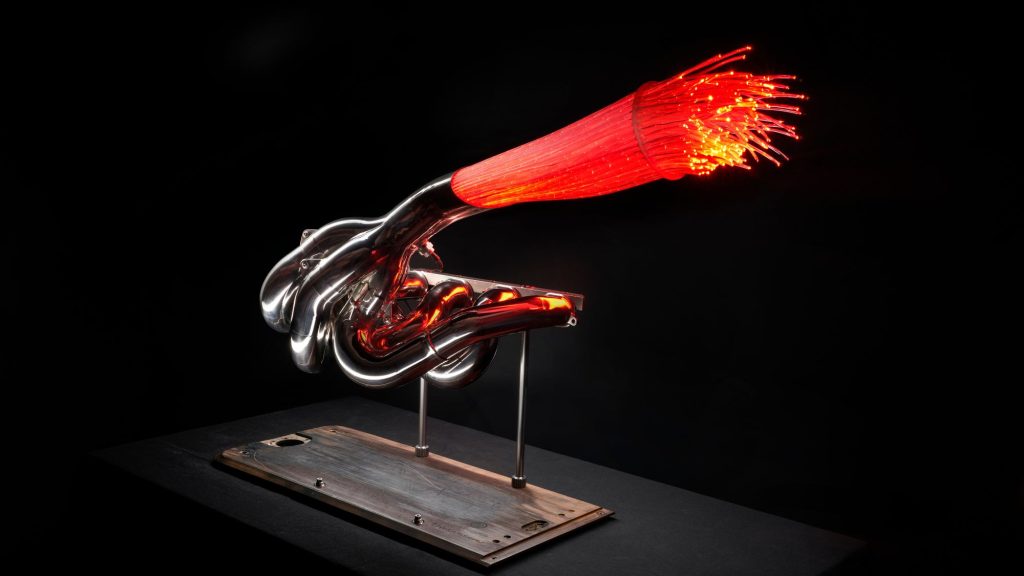
“Light is the most important element of design. Without it, you see no texture, no colour, no detail, no beauty. It allows me to communicate energy, atmosphere, and story. Artificial light allows you to shape emotion. It also allows you to create calm, intimacy, excitement or drama. The relationship between light and shadow is also crucial – sometimes darkness is just as expressive as illumination. Often people can’t explain why a space feels so good to be in. More often than not, it comes down to how thoughtfully the lighting has been layered. Atmosphere is everything.”
You’ve created installations for everyone from sports stars to business leaders. Is there one piece you are particularly proud of?
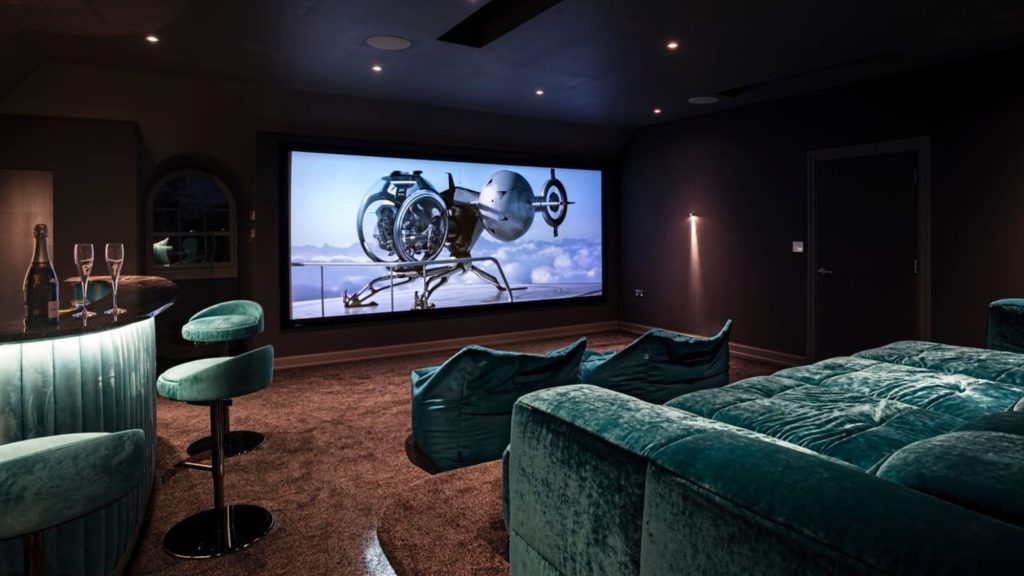
“One that still brings out a childish grin is the ‘Bat Cave’. This was a 3,000 square foot basement I created for an art collector beneath a modern home in Holland Park. I designed it as a fully immersive environment for entertaining and displaying art, with installations that invoked a sense of escapism. The centrepiece was a red laser ‘force field’ surrounding the client’s Aston Martin DB4, which descended beneath the house on a motorised driveway. There was a custom bar, a chrome ceiling coffer, an illuminated bubble chair I co-created with graffiti artist INSA, a cinema, pool room, office and snug, with a complex Lutron lighting system tied everything together. It stimulated every sense.”
Do you have a favourite commercial project – and if so, why?
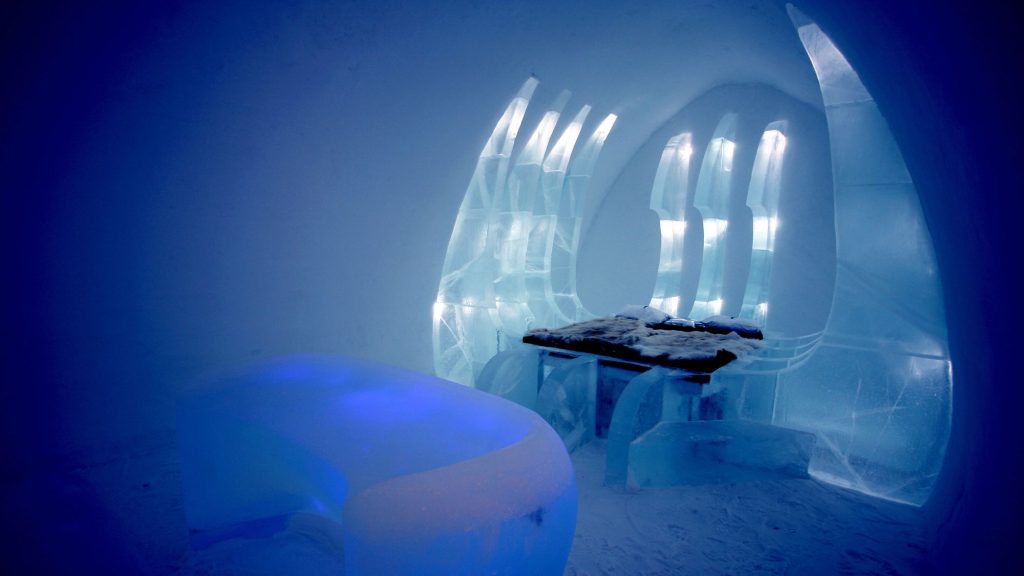
“My first room at the Ice Hotel is still one of my favourites, largely for the romance of it. I originally visited Arctic Sweden while researching somewhere to propose to my wife, and was completely captivated by how light interacts with ice and snow. That experience made me determined to return as a designer. Over time I built a strong relationship with the team there, as it’s an extraordinary pool of talent. Being able to take my wife back and stay in a room I’d designed felt very special. I was told that the Queen of Sweden stayed in that room too.”
Perhaps one of your most famous projects is the iconic iceberg catwalk created for Chanel in 2010. How did this idea come to fruition?
“Ice Hotel Sweden led that project, bringing together their most visionary ice artists alongside Karl Lagerfeld’s team. The original idea was a literal iceberg beneath the Grand Palais roof, but instead we created the illusion of ice using a timber walkway, water, and a special snow-and-ice mix called sneece, shipped from Arctic Sweden in 30 large trucks. We worked around the clock, using a suspended refrigeration system to control melting. It was intense — but incredibly rewarding.”
It must have been exhilarating to be the brain behind the custom vehicle used to follow the Olympic Torch around the UK back in 2012. What do you remember about the experience?
“That year I narrowly avoided using up one of my nine lives after falling from an 80-foot cliff snowboarding. I was actually on a call with the design team while waiting for my friend to be airlifted off the mountain! The brief was to make a tour bus feel aerodynamic and dynamic, more speedboat than bus. Three weeks before launch, the route changed, meaning the vehicle had to fit under low bridges. I had to redesign a folding roof structure that remained safe for people standing on the top deck. Despite the pressure, it worked beautifully.”
Finally, what’s next?
“Let’s just say, I’m not short on ideas. We should catch up again soon!”