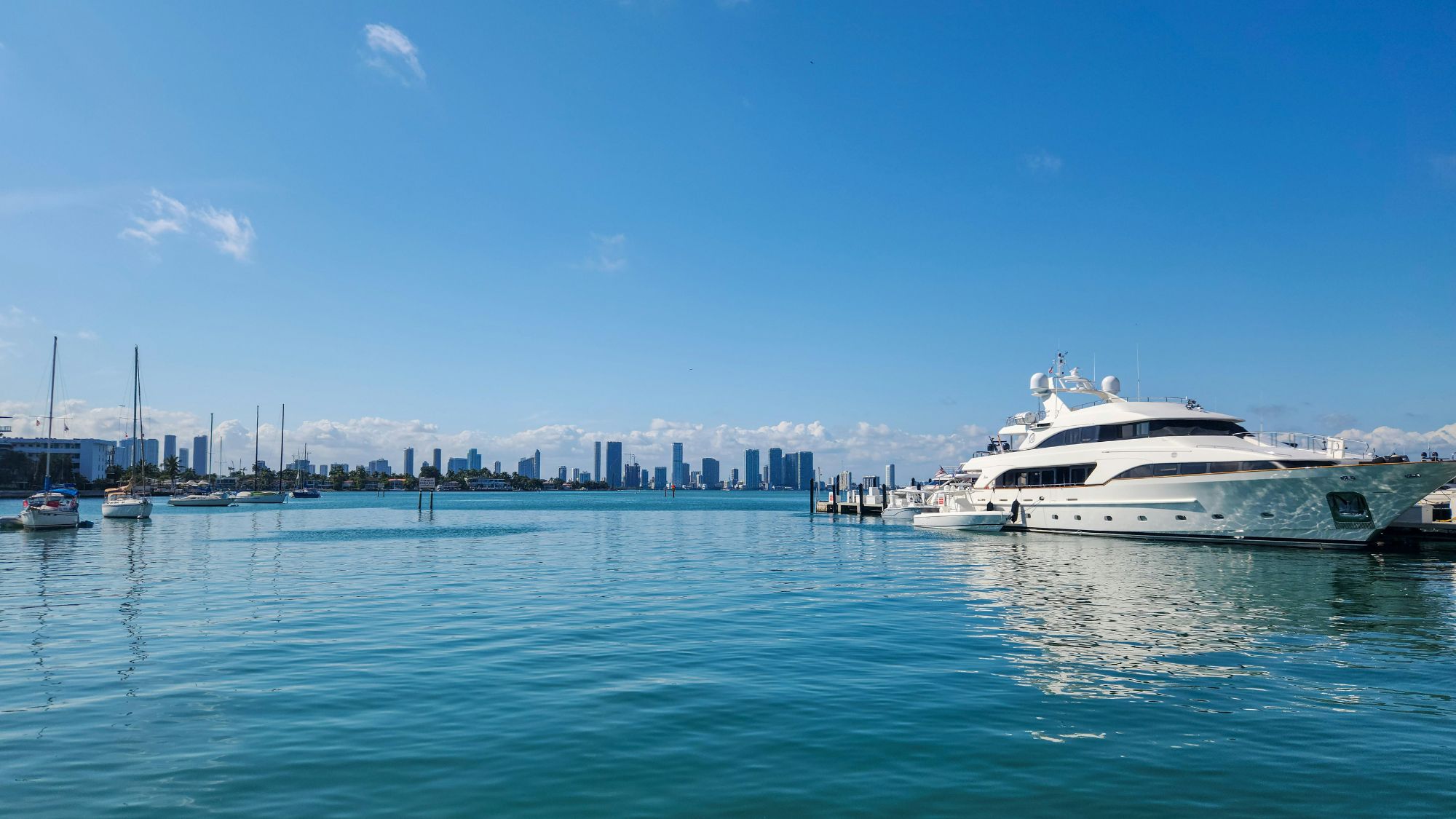
Whether you are a seasoned sea dog or have new ambitions to take to the ocean, buying a yacht can be a daunting experience full of immense highs and potential pitfalls. Here are a few essential factors to consider with advice from Burgess Yachts www.burgessyachts.com
Buying a yacht can seem like the pinnacle of success. After all, what could be more thrilling than waking to breathtaking anchorages and spending days under sail? But those tranquil seas can soon turn stormy if you fail to consider the practicalities of the boat ownership process. And especially if it is your first time making such a purchase.
Learn From The Experts
Ready to start the search? Don’t do it alone. Your first step should always be selecting professionals to make your fantasy reality. “It is essential you find a broker from a reputable company to guide you through the process,” says Nicci Perides, Head of Global Communications at Burgess. “A broker is there to guide you every step of the way. From securing private viewings to sourcing the best luxury yachts for sale from around the world – even when they are not on the open market – their expertise is your guarantee.”
Not all brokers are created equally, however, and going for the best pays dividends. “Transactions can be complex and may take months to finalise. Ensure your brokerage has an unrivalled market knowledge, a global network and objective advice. You will also need to use a trusted lawyer and do your due diligence. Get an independent survey – technical and legal – along with a clear title to avoid costly mistakes. These are all vital checks your purchase team should do for you.”
What Type Of Boat?
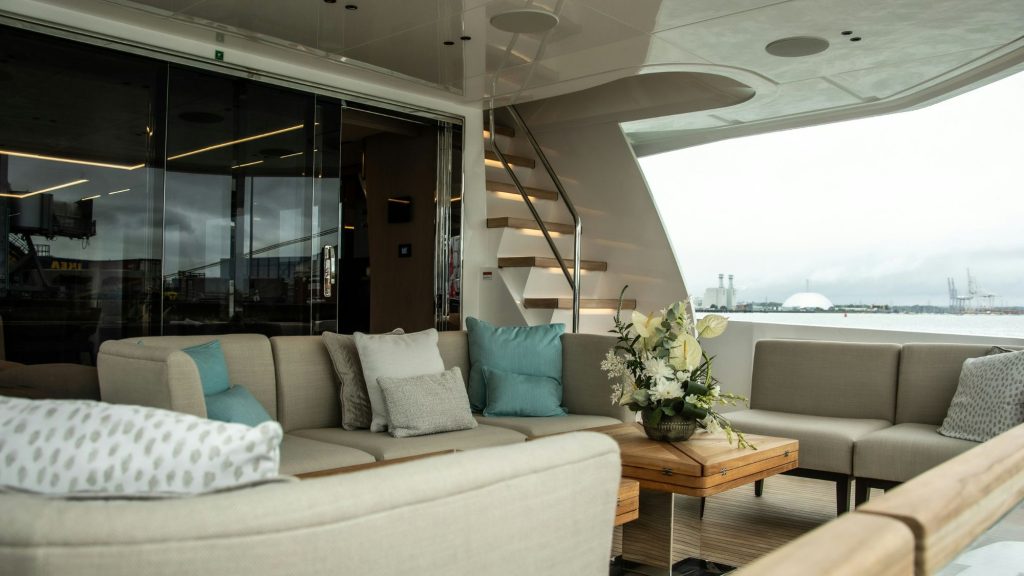
The next consideration to think about is what type of sailing you wish to do. This will be a crucial indicator as to the type and size of vessel to buy. Will you be day cruising or do you crave some serious blue-water sailing? “It is important to determine your boat’s usage before investing. Are you looking for a private vessel for family and friends, or will you be looking to charter out?”
Those looking for a private yacht, used solely for leisure and enjoyment, have different needs to those looking for a commercial yacht, which will allow the owner to offset costs by renting out to clients. Get your paperwork in order. Commercial yachts have stricter safety, crewing, and operational regulations, including compliance with international maritime laws and commercial yacht codes. A lucrative flip side is that commercial vessels may benefit from VAT exemptions and other tax advantages in some regions.
Keeping Afloat Of Your Dreams
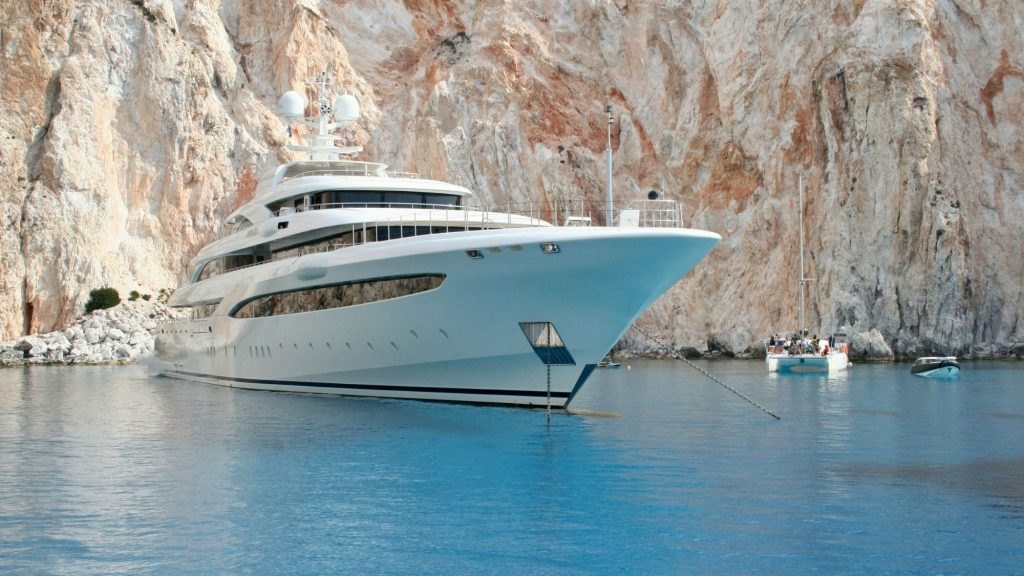
Whichever way you plan to sail – big or small, private or commercial – buy the smallest vessel that will fulfil your needs, as larger yachts come with significantly bigger operating costs. “If you are still unsure, chartering before purchasing is a great option for most. This is because it offers invaluable insight into what you require with regards to builder, size, interior, and crew. Consider the total cost of ownership. This will include running costs, key expenses and, of course, depreciation.” Your initial outlay is just the start. Expenses including fuel, dockage, crew, maintenance and insurance usually run to 20% of a boat’s original price each year, with superyachts soaring fuel prices now costing around £2,000 an hour.
Still determined to get aboard? “Your brokerage will be perfectly placed to advise you on real time costs, and a reputable company will offer a full 360-degree service covering brokerage, charter, insurance, new build, operational management, and crew.” The secret is to quieten your inner ‘expert’ and put your trust in a team of professionals who live and breathe all things boats.