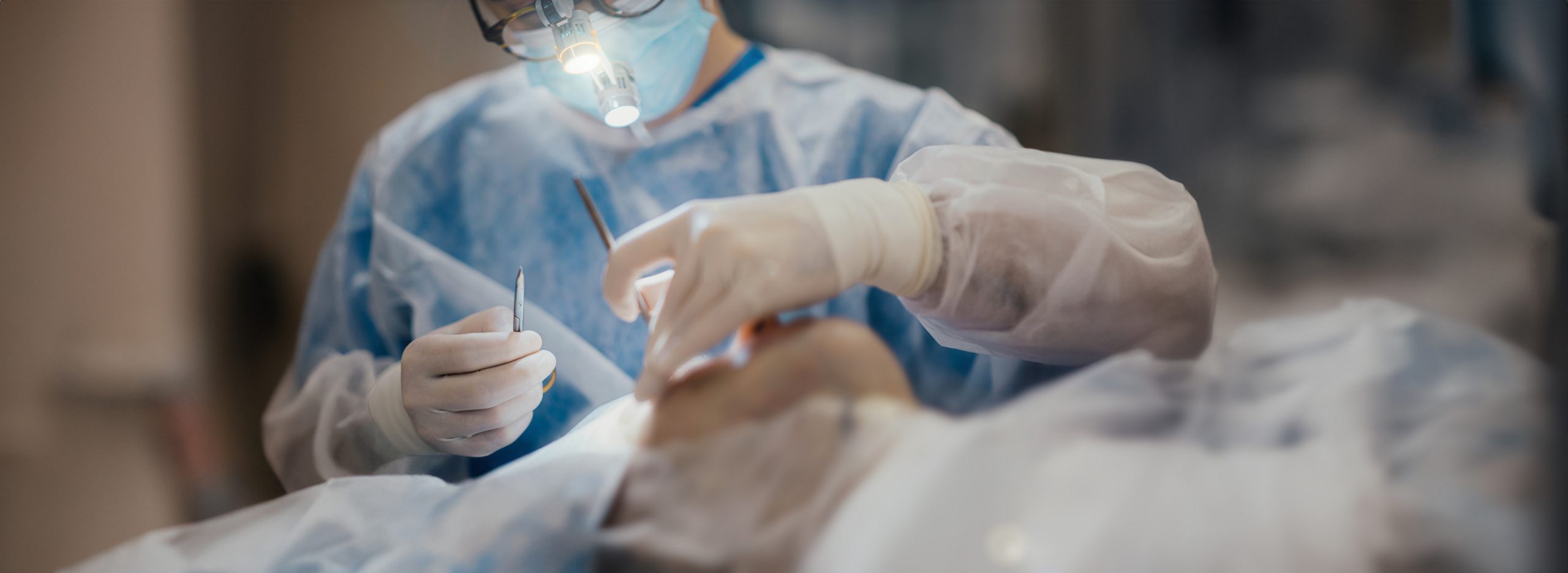
Considering cosmetic surgery to reverse some of the signs of ageing? Here are some common misbelieves you need to know about.
“For decades, the facelift has been surrounded by misconceptions,” says plastic surgeon Dr Dirk Kremer. “Mention the procedure and many people still picture an unnaturally tight face, months hidden away recovering, or surgery reserved for someone with severe signs of ageing. Modern facelift surgery is very different. As techniques have evolved, so too has our understanding of facial ageing and what surgery can realistically achieve. These are five of the myths I hear most often from patients.”
MYTH 1: You Can Always Tell When Someone Has Had a Facelift
This is perhaps the biggest misconception of all. People think they know what a facelift looks like because they notice the bad ones. The good ones generally go unnoticed. An unnatural result – a stretched mouth, an overly tight jawline or a face that somehow no longer looks like the person it belongs to – is not an inevitable consequence of facelift surgery.
It is precisely what modern techniques should seek to avoid. The aim should never be to create a different face. It is to restore some of the facial architecture that has changed with age while preserving the characteristics that make somebody recognisably themselves.
This is also why simply pulling the skin tighter is not the answer. When the deeper tissues are repositioned appropriately, the skin can be re-draped without excessive tension. Ideally, friends should notice that somebody looks fresher, healthier or particularly well, not immediately identify that they have had surgery.
MYTH 2: You’ll Be Swollen, Bruised and Out of Circulation For Months
The idea you’ll remain hidden away for months is outdated. For most, two to three weeks is a realistic point at which you can begin socialising. There may be some swelling and bruising that can be covered with make-up, but generally you can walk down the street without anybody turning their head. A close friend may notice your face looks a little fuller than usual, but that is very different from looking obviously surgical.
By around six weeks, I would expect the great majority of the swelling to have resolved. What follows is much subtler. The remaining swelling gradually disappears, tissues soften and settle, and the result continues to refine over many months, sometimes for up to a year.
That last part often causes confusion. When surgeons say a facelift can take a year to fully settle, it does not mean somebody looks swollen for a year. The later changes happen in such small increments that patients, who see themselves every day, may barely notice them.
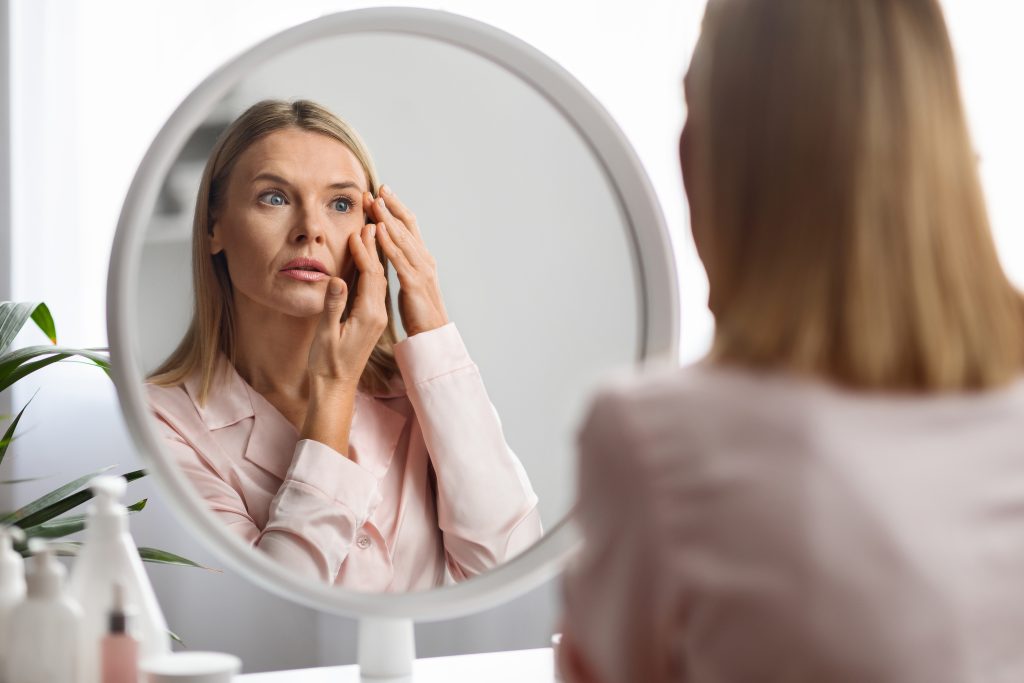
MYTH 3: Facelifts Are for People with Lots of Wrinkles
We do not necessarily look older because we have more wrinkles, but because the shape of our face has changed. A younger face carries more fullness through the cheeks and mid-face, while the lower face and jawline are defined. Over time, changes in collagen and elasticity, combined with the effect of gravity, allow facial tissues to descend. The cheeks become flatter, jowls appear, the jawline becomes less distinct, and the lower face gradually becomes heavier.
This is why I frequently see patients seeking facelift surgery who have relatively few wrinkles. What bothers them is not lined skin; it is that the face looking back at them has lost the proportions and definition they remember.
It also explains why tightening the skin alone cannot properly address facial ageing. Modern facelift surgery works at a deeper level, repositioning tissues beneath the skin and, where necessary, addressing deeper structures of the neck, including the platysma muscle. The skin should then follow naturally rather than being used to hold everything in position.
MYTH 4: You Have to Be Old to Have a facelift
There is still a perception that facelift surgery is something you consider in your sixties or seventies, once the signs of ageing have become quite advanced. But there is no particular age at which somebody suddenly becomes ready for a facelift.
What matters is not chronological age, but what has happened to the face. Two people of the same age can age very differently. Genetics, facial anatomy, skin quality, sun exposure, weight changes and lifestyle all influence when the cheeks begin to descend, jowls develop and definition through the jawline and neck is lost.
There can also be an advantage in addressing these changes before they advance. Equally, nobody should have a facelift simply because they have reached a certain birthday. If the anatomical changes that surgery is designed to correct are not there, then a facelift is not appropriate.
MYTH 5: A Facelift Stops the Ageing Process
No operation can freeze a face in time. After surgery, the same processes continue. Skin quality changes, tissues lose elasticity and gravity does not disappear. A patient will therefore not look exactly the same 10 years after their operation as they did at six months. But that does not mean the facelift has “worn off”. By repositioning tissues that have descended and restoring more youthful facial proportions, we effectively reset aspects of the ageing process. From there, the patient continues to age naturally.
Good facelift surgery should never be about chasing an ageless or frozen appearance. Ageing is inevitable, and there is nothing inherently wrong with looking older. The purpose of surgery is to address particular changes that bother an individual while preserving the character of their face.
Ultimately, the goal is not to make somebody look like a different or impossibly younger person. It is to allow them to look like themselves, simply at a different point along their own ageing journey. www.harleystreetaesthetics.com